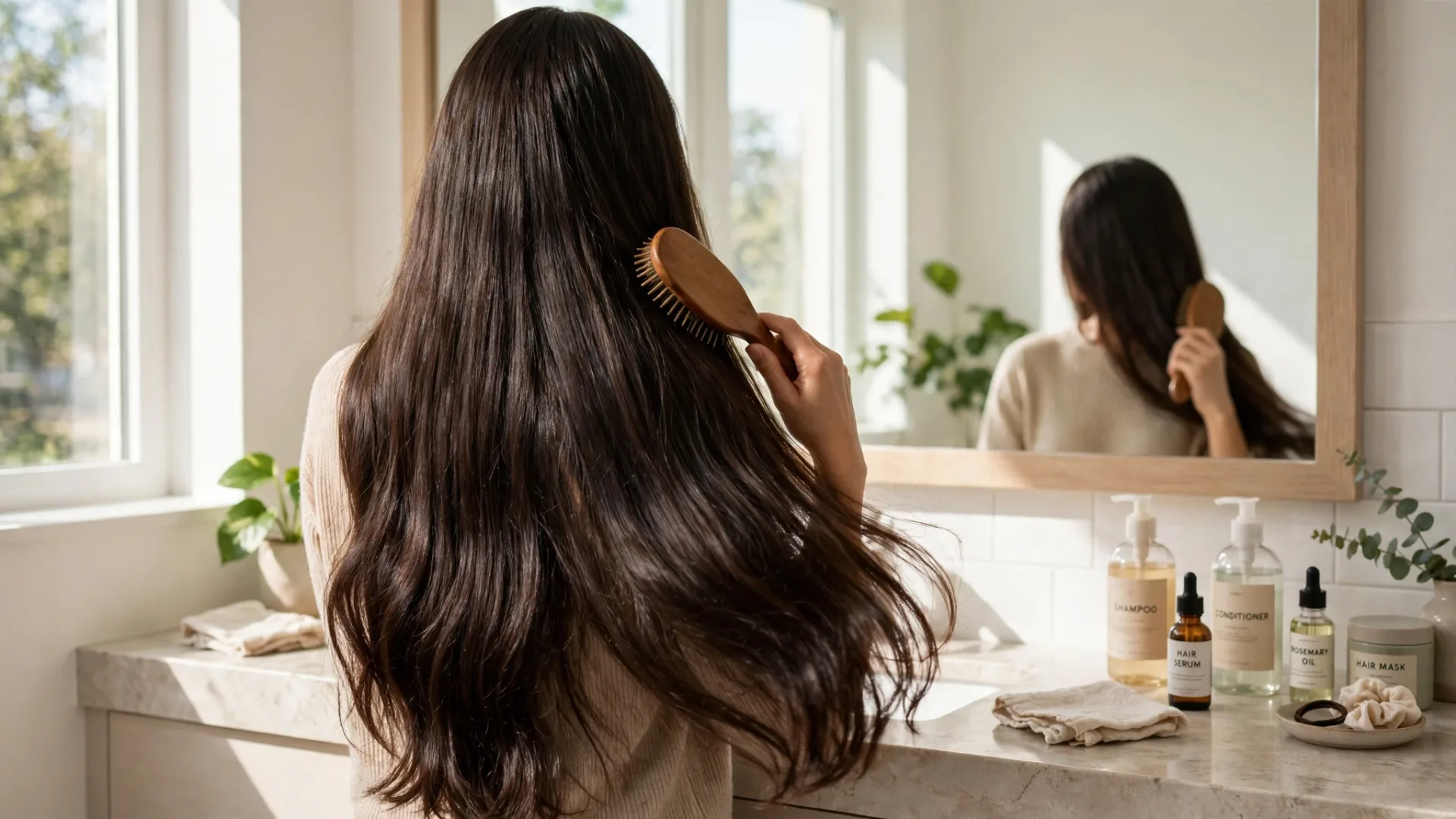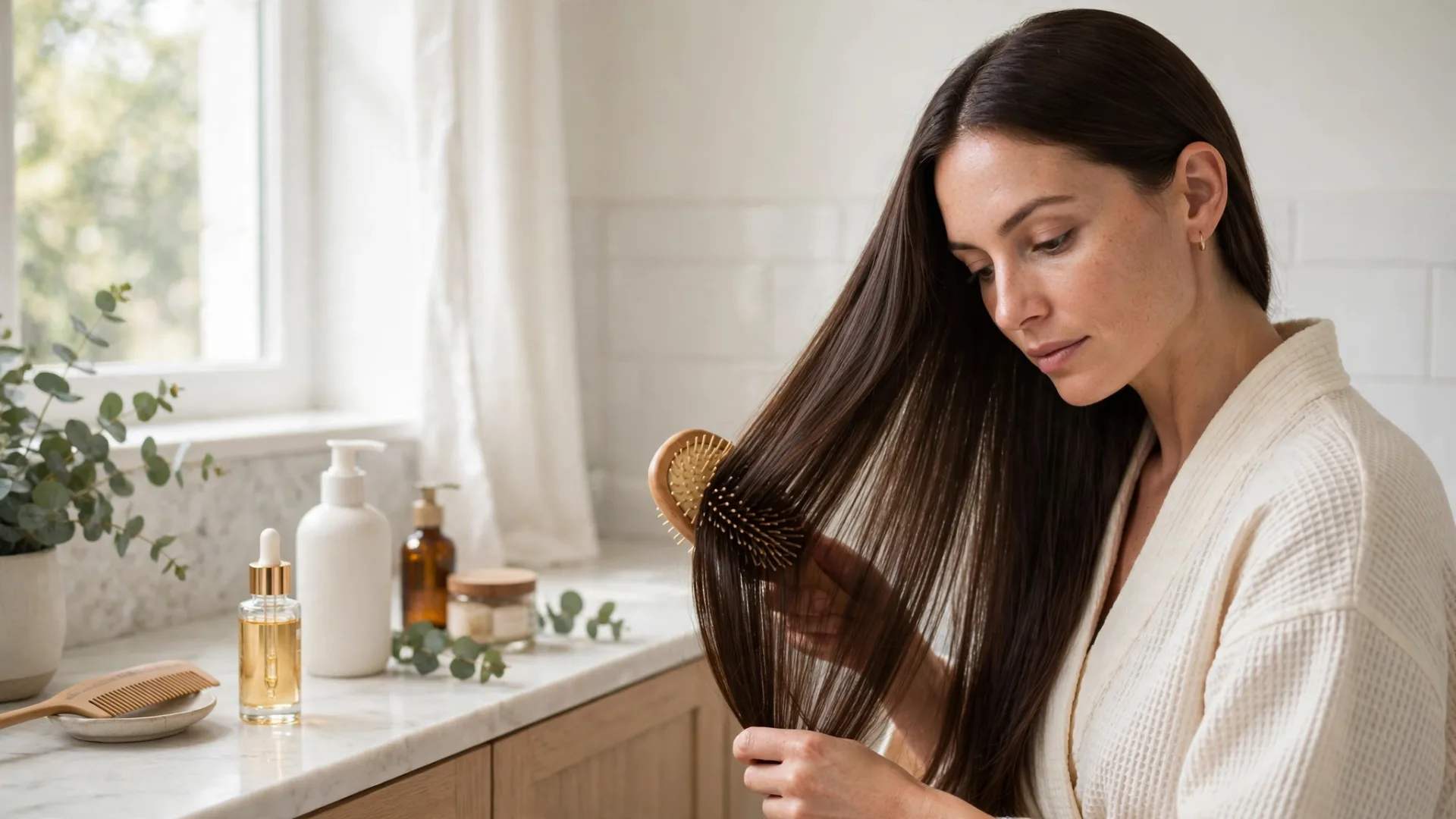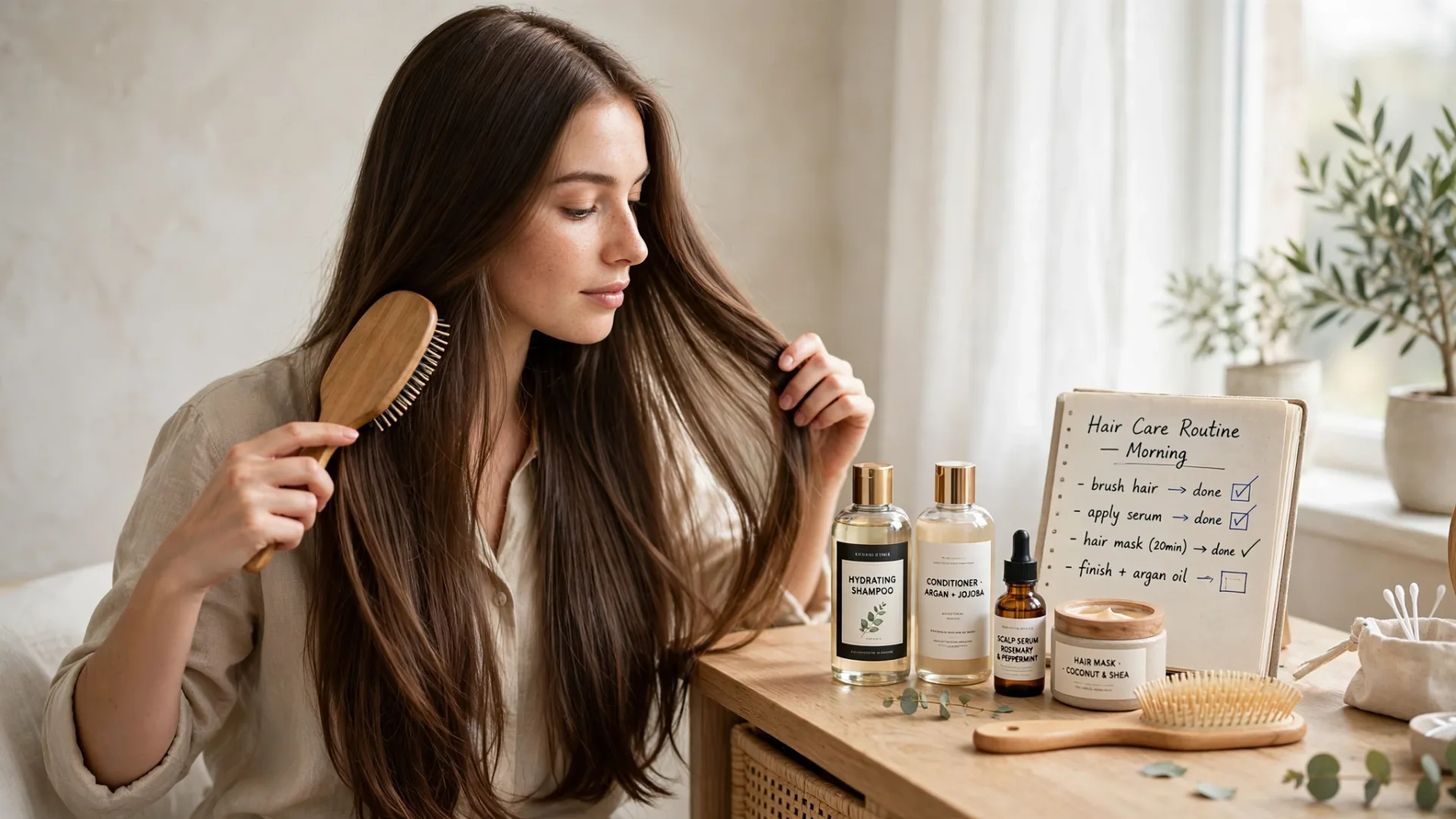

Healthy, shiny hair rarely happens by accident. It is the result of small, steady habits repeated day after day, week after week. The trouble is that most of us remember the big steps — shampoo, conditioner, the occasional mask — and forget the quiet ones that actually protect length, shine, and scalp health over time.
That is where a hair care checklist comes in. Instead of guessing what your hair needs today, you follow a simple plan: a short list each morning and evening, a slightly longer list once a week, and a handful of jobs once a month and once a season. Nothing on this list takes long, and everything on it earns its place.
Use the checklist below as your starting point.
Why a Checklist Works Better Than a Routine
A routine lives in your head, which means it gets skipped on busy mornings and forgotten on tired evenings. A checklist lives on paper or on your phone, and checking items off gives you a small sense of progress every day. Over time, that habit loop is what turns good intentions into healthy hair.
A checklist also stops you from overdoing things. Hair does not need a mask every day, a clarifying shampoo every wash, or heat styling at every opportunity. When each job has its own slot — daily, weekly, monthly — you stop piling treatments on top of each other and start giving your hair exactly what it needs, when it needs it.
Your Daily Hair Care Checklist
Daily care is about protection, not treatment. These steps take five to ten minutes in total and keep your hair in good shape between wash days.
Morning Checklist
- Brush gently before styling. Start at the ends and work upward in short strokes. This spreads your scalp’s natural oils down the lengths and removes tangles before they turn into knots.
- Apply a leave-in or light oil to the ends. One or two drops smoothed over the mid-lengths and ends seals in moisture and adds shine. Keep product away from the roots if your hair gets oily quickly.
- Protect from heat and sun. If you use a dryer, straightener, or curling iron, apply a heat protectant first. On sunny days, a hat or a UV-protective spray helps stop colour fade and dryness.
- Choose a gentle style. Loose braids, low buns, and soft scrunchies put less strain on your hair than tight ponytails and metal clips. Vary your parting now and then so the same strands are not always under tension.
Evening Checklist
- Detangle before bed. A quick brush or a pass with a wide-tooth comb removes the day’s tangles while your hair is still dry and at its strongest.
- Switch to silk or satin. A silk pillowcase, or a loose braid before sleep, cuts down on friction, frizz, and morning breakage. Cotton pillowcases pull moisture out of the hair overnight.
- Never sleep with soaking wet hair. Wet hair stretches and snaps far more easily than dry hair. If you must wash at night, dry it at least most of the way first.
One daily habit matters more than any product: be gentle. Hair is at its weakest when wet, when tangled, and when pulled tight. Treat it the way you would treat a favourite silk blouse and it will repay you with shine.
Your Wash-Day Checklist
Most people should wash their hair two to four times a week, depending on hair type and lifestyle. Fine or oily hair usually needs more frequent washing; thick, curly, or dry hair often does better with less. Whatever your rhythm, follow the same steps each time.
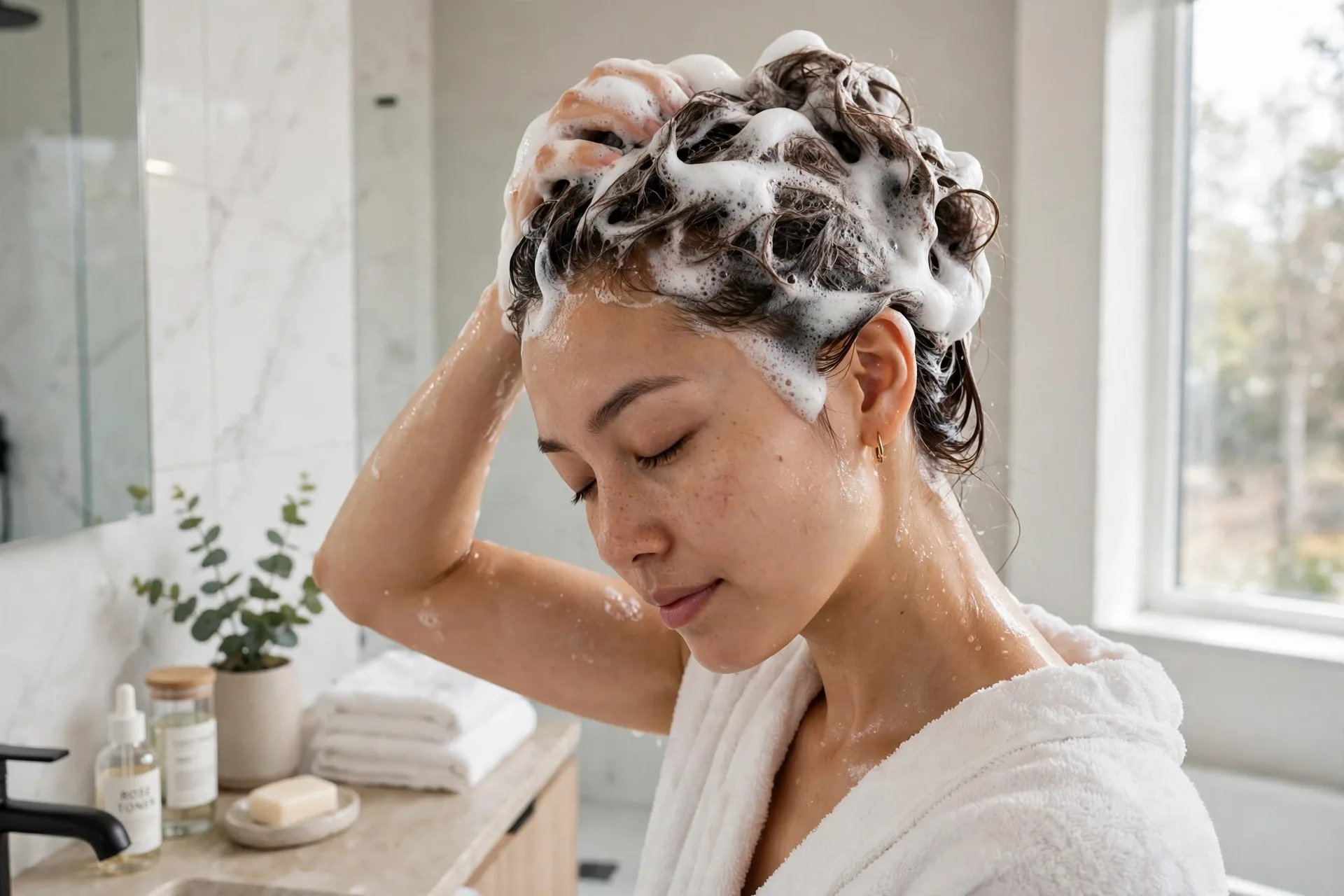
- Detangle before you get in the shower. Brushing dry hair first means fewer tangles and less breakage once it is wet.
- Use lukewarm water. Very hot water strips natural oils and leaves the scalp dry and itchy. Lukewarm water cleans well without that damage, and a cool final rinse helps the cuticle lie flat for extra shine.
- Shampoo the scalp, not the lengths. Massage shampoo into your scalp with your fingertips for about a minute, then let the suds run down the lengths as you rinse. Scrubbing the ends directly dries them out.
- Condition from the ears down. Apply conditioner to the mid-lengths and ends, where hair is oldest and driest. Leave it on for two to three minutes, then rinse well. Heavy conditioner on the roots weighs hair down and makes it look flat.
- Pat dry, never rub. Press a microfibre towel or an old cotton T-shirt around your hair to soak up water. Rubbing with a rough towel roughs up the cuticle and creates frizz.
- Detangle with a wide-tooth comb. Start at the ends and work up. If you hit a knot, hold the hair above it so you are not pulling from the scalp, and ease the comb through.
Your Weekly Hair Care Checklist
Weekly jobs are where the real repair happens. Pick one wash day each week for the longer treatments, so they become a habit rather than a chore.

- Deep condition or mask once a week. Apply a hydrating or protein mask to damp hair, leave it on for the time the label suggests — usually ten to twenty minutes — and rinse well. Dry or damaged hair benefits most from this step, but even healthy hair stays softer with a weekly mask.
- Give your scalp a massage. Two to three minutes of gentle fingertip massage while shampooing boosts blood flow and helps loosen buildup. It also feels wonderful, which makes it easier to keep doing.
- Clarify if you use a lot of product. If you layer styling products, dry shampoo, or heavy oils, use a clarifying shampoo once every one to two weeks to remove buildup. Follow it with a good conditioner, since clarifying shampoos are stronger than regular ones.
- Clean your tools. Wash combs and brushes in warm soapy water, rinse, and let them air-dry. Clean tools spread less oil and residue back into freshly washed hair.
- Check your ends. Run your fingers down a section of hair. If the ends feel rough, catch on each other, or look see-through, they are asking for a trim soon.
Your Monthly Hair Care Checklist
Monthly jobs are the ones people skip most often — and the ones that make the biggest difference to long-term hair health.

- Book a trim every six to eight weeks. Even if you are growing your hair out, a small trim every couple of months removes split ends before they travel up the shaft and force a bigger cut later. Ask for a “dusting” if you only want the very ends tidied.
- Do a protein check. If your hair feels limp, stretchy when wet, or refuses to hold a style, it may need protein. A protein mask once a month can help — but too much protein makes hair stiff and brittle, so balance it with moisture and never use protein treatments weekly.
- Review your products. Check expiry dates and how your products are performing. A shampoo that worked in summer may be too heavy or too light for winter. Adjust one product at a time so you know what made the difference.
- Deep-clean your styling tools. Wipe down straighteners and curling irons, remove hair from dryer filters, and check that your tools are still heating evenly. A clogged dryer filter makes drying slower and hotter than it needs to be.
- Take a progress photo. Hair changes slowly, and it is easy to miss improvement. A quick photo in the same light each month shows length, shine, and thickness changes that the mirror hides.
Your Seasonal Hair Care Checklist
Hair needs different care as the weather changes. Run through this short list at the start of each season and adjust your routine before problems show up.
Winter
Cold air outside and dry heated air inside pull moisture out of hair fast. Switch to a richer conditioner, add a weekly mask if you have not already, and wear a hat outdoors to protect against wind. Static is a sign your hair needs more moisture, not more product — try a light leave-in instead of piling on serum.
Spring
Spring is a good time for a fresh trim and a clarifying wash to clear away winter buildup. If you colour your hair, spring is also when many people refresh their shade, so plan a deep conditioning treatment for the same week as any colour appointment.
Summer
Sun, salt water, and chlorine are the summer trio to watch. Rinse hair with fresh water before swimming so it absorbs less chlorine or salt, wear a hat or UV spray in strong sun, and add an extra mask each week if your hair starts to feel dry or straw-like.
Autumn
As the air cools, hair often sheds a little more than usual — this is normal and usually settles within a few weeks. Focus on scalp care, gentle brushing, and a balanced diet with enough protein and iron. If shedding continues for more than two months, or you notice patches, it is worth talking to a doctor.
Adjusting the Checklist for Your Hair Type
The checklist above works for most hair, but a few tweaks make it fit your hair type better.
Fine hair: wash a little more often, use lightweight conditioner only on the ends, and skip heavy oils. Volume comes from clean roots and light products, not from layering treatments.
Thick hair: section your hair when applying masks and conditioner so every strand gets covered. You may need more product than the label suggests — that is normal for thick hair.
Curly and wavy hair: wash less often, detangle only when wet and coated with conditioner, and dry with a diffuser or a T-shirt rather than a rough towel. Curly hair loses moisture fast, so the weekly mask is not optional for you.
Colour-treated hair: use a colour-safe shampoo, wash in cooler water, and add a mask the week you colour. Heat protectant matters even more for coloured hair, since heat fades colour faster than almost anything else.
Oily scalp, dry ends: this combination is common. Shampoo the scalp well, condition only the lengths, and use dry shampoo between washes if needed — but still clarify regularly so buildup does not irritate your scalp.
Common Checklist Mistakes to Avoid
Washing every day out of habit. Daily washing suits very oily hair or heavy workouts, but for most people it strips natural oils and creates a cycle of dryness and overproduction of oil. Try stretching to every other day and see how your hair responds.
Skipping conditioner to save time. Shampoo opens the hair cuticle; conditioner smooths it back down. Skipping conditioner leaves hair rough, tangly, and far more likely to break.
Using too much heat, too often. High heat on wet hair is the fastest route to damage. If you heat-style daily, lower the temperature, always use a protectant, and give your hair at least one or two heat-free days each week.
Ignoring the scalp. Healthy hair grows from a healthy scalp. Buildup, itching, and flaking are early warnings. A clean, comfortable scalp is the foundation everything else rests on.
Chasing every new product. A simple, steady routine beats a shelf of trending products. Change one thing at a time, give it a fair trial, and keep what works.
How to Build Your Own Printable Checklist
Copy the lists from this article into a notes app or print them out and keep them where you get ready each morning. Tick items off for a week and notice which ones you skip. The skipped items are usually the ones your hair needs most — or the ones that do not fit your life and need a simpler version.
A realistic checklist you actually follow beats a perfect one you abandon. Start with the daily list, add the weekly list in week two, and fold in the monthly and seasonal jobs as they come due. Within a month, most of it will feel automatic.
Healthy, shiny hair is not about expensive products or complicated routines. It is about doing the right small things, in the right order, again and again. This checklist gives you that order. Stick with it, adjust it to your hair, and give it time — your hair will show the difference.