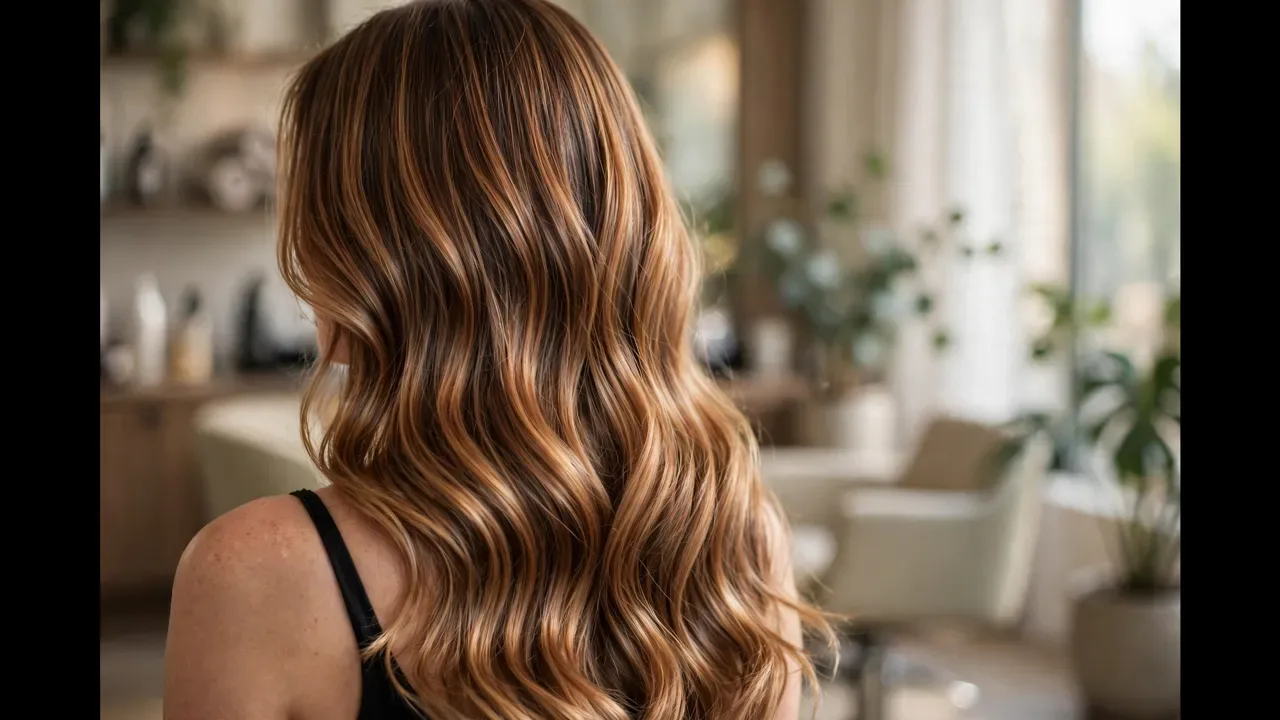
I used to think soft, silky hair was something you were either born with or you weren’t. Every time I’d scroll past one of those photos — hair so glossy it looked like it was made of liquid silk, strands falling in this perfect, effortless cascade — I’d sigh and go back to my own reality: frizz haloing around my crown, ends that felt like straw, and hair that somehow looked dull no matter how much I brushed it.
The turning point came on a random Tuesday when my best friend asked me what salon treatment I got because my hair “looked different.” I hadn’t been to a salon in months. The only thing I’d changed was my routine — and honestly, I was as shocked as she was. It turns out that soft, touchable, camera-ready hair isn’t really about genetics or expensive salon visits. It’s about a handful of small habits stacked together, done consistently. Let me walk you through exactly what I do now.

What Soft Aesthetic Hair Actually Means
Before we get into the routine, let’s clear something up. “Aesthetic hair” isn’t a specific hairstyle — it’s a look. When people say aesthetic hair, they’re describing hair that looks healthy enough to touch through a screen: smooth surface, natural shine, gentle movement, and almost zero frizz or flyaways.
The secret behind that look is actually simple physics. Shiny hair is hair with a smooth, flat cuticle layer. When the cuticle (the outermost layer of each strand) lies flat, light bounces off it evenly, which is what your eyes read as shine. When the cuticle is raised — from heat damage, rough handling, harsh shampoo, or just neglect — light scatters, and hair looks dull, rough, and frizzy. Every single step in this routine is designed to do one thing: keep that cuticle flat, sealed, and happy.
And here’s the good news: you don’t need a 20-product shelf or a salon budget. You need the right steps in the right order, and a little patience while your hair recovers.
The Complete Soft Aesthetic Hair Routine (Step by Step)
This is my full routine, in order, exactly how I do it. Think of it as layers — each step builds on the last one.
Step 1: Washing (Yes, You’re Probably Doing It Wrong)
Washing sounds basic, but it’s where most soft-hair journeys go sideways. Hot water and harsh shampoo strip the natural oils that keep your hair flexible and smooth, and once they’re gone, no conditioner fully makes up for it.
- Switch to lukewarm water. Hot water lifts the cuticle and dries hair out fast. Lukewarm cleans just as well without the damage. Save a quick cool rinse for the very end — it helps flatten the cuticle and boost shine.
- Choose a sulfate-free shampoo. Sulfates (like sodium lauryl sulfate) are aggressive cleansers. A gentle, sulfate-free formula cleans your scalp without leaving your lengths feeling squeaky and stripped. If your hair is very fine and gets greasy fast, a clarifying shampoo once every 1–2 weeks keeps buildup away without daily stripping.
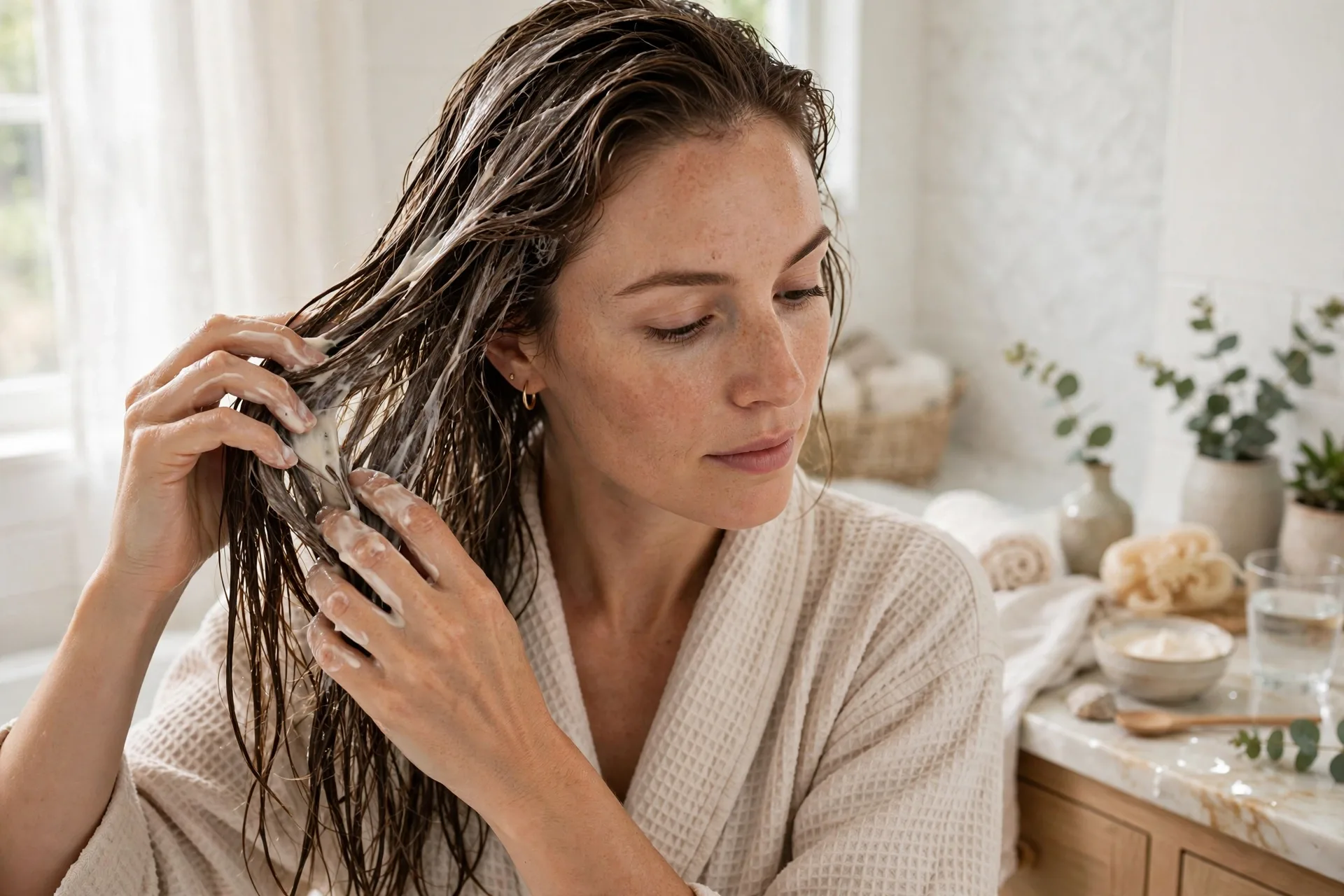
- Focus shampoo on the scalp only. This was a game-changer for me. Your scalp is where oil and buildup live; your lengths mostly need a rinse. Massage shampoo into your scalp with your fingertips (never your nails) for about 60 seconds, then let the suds run down the lengths as you rinse. That’s all the cleansing your ends need.
- Double cleanse when needed. If you use a lot of styling products or your scalp gets oily, shampoo twice: the first wash loosens buildup, the second actually cleans. You’ll notice your scalp feels genuinely clean without your hair feeling stripped.
- Wash less often. For most hair types, 2–3 times a week is the sweet spot. Overwashing trains your scalp to overproduce oil, which makes you wash more — a cycle that keeps hair rough and dry.
Step 2: Conditioning the Right Way
Conditioner is not optional if soft hair is the goal. It fills in the gaps in the cuticle and coats the strand so it stays smooth until your next wash.
- Apply from mid-lengths to ends only. Conditioner on the scalp weighs hair down and can make roots look greasy by midday. Start where your hair starts to feel drier — usually around ear level — and work down.
- Use enough, then give it time. A coin-sized amount is rarely enough for long or thick hair. Coat every strand and leave it on for 3–5 minutes while you do the rest of your shower. That dwell time is when the conditioning agents actually bond to the hair.
- Squeeze, don’t rinse roughly. After the wait, rinse gently with cool water. You want to rinse thoroughly but not scrub — imagine you’re smoothing the product down the hair shaft in one direction.
- Add a leave-in conditioner. This is the step that separates “okay” hair from aesthetic hair. A lightweight leave-in on damp hair (again, mid-lengths to ends) adds a layer of lasting smoothness, makes detangling painless, and protects against the friction of the day. Cream leave-ins suit thick or curly hair; spray or milk leave-ins suit fine hair.
Step 3: Weekly Treatments and Hair Masks
If shampoo and conditioner are your daily drivers, masks are the deep maintenance that actually transforms texture over time. This is the step I skipped for years, and it’s the one I credit most for my hair’s turnaround.
- Deep-conditioning mask once a week. Pick a mask with moisturizing ingredients like shea butter, argan oil, glycerin, or aloe vera. Apply generously to damp, towel-blotted hair, wrap it up, and leave it for 15–20 minutes. A shower cap traps body heat and helps the mask penetrate deeper.
- Balance moisture and protein. Hair needs both. If your hair feels mushy and stretches without bouncing back, it needs protein (look for keratin or wheat protein on the label). If it feels brittle and snaps, it needs moisture. Alternate a moisturizing mask one week with a light protein treatment the next.
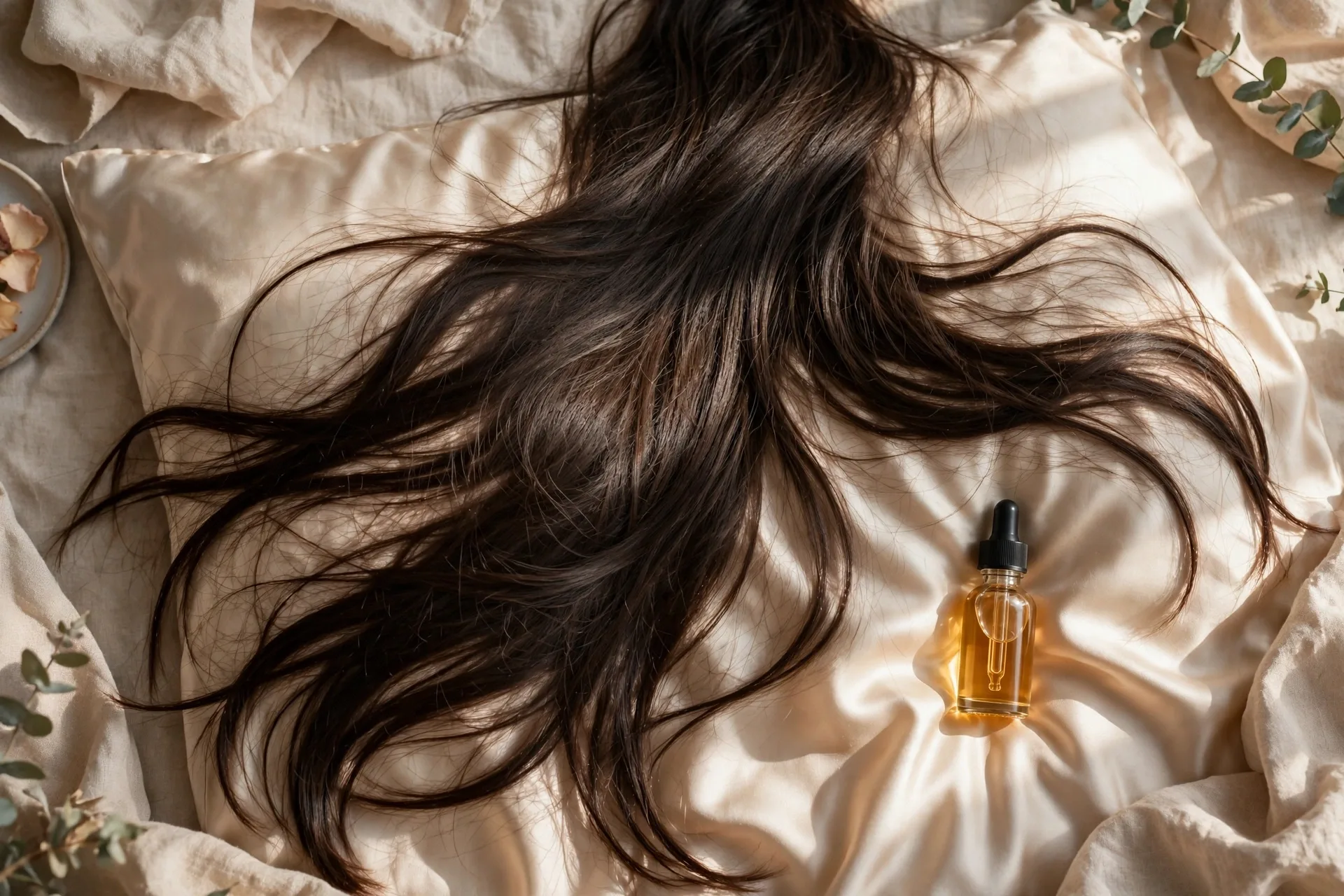
- Try a pre-wash oil treatment. Once a week, warm a tablespoon of coconut, argan, or jojoba oil between your palms and work it through dry hair an hour (or even overnight) before washing. Oils reduce the swelling hair undergoes when wet, which means less cuticle damage in the shower. This single habit made the biggest visible difference in my hair’s softness.
- Don’t forget your scalp. A gentle scalp scrub or exfoliating treatment once a week clears away dead skin and product buildup so new hair grows in healthier. Massage in circles for a minute, rinse well.
Step 4: Drying Without Damage
How you dry your hair matters almost as much as how you wash it. Wet hair is at its most fragile — the strands stretch, the cuticle is open, and rough handling here shows up as frizz later.
- Ditch the regular towel. Terry-cloth towels are rough and create friction. Swap to a microfiber towel or an old cotton t-shirt and scrunch water out instead of rubbing. Your hair will thank you within a week.
- Detangle gently, from the bottom up. Start at the ends and work your way up in sections with a wide-tooth comb or a flexible detangling brush. Pulling from the roots down just drags tangles tighter and snaps strands.
- Always use heat protectant. If a blow dryer touches your hair, a heat protectant is non-negotiable. It forms a barrier that slows heat transfer to the strand. Apply it to damp hair before you pick up the dryer.
- Blow-dry on medium heat, nozzle down. High heat blasts the cuticle open. Medium heat with the dryer nozzle pointing down the hair shaft (not up into it) smooths the cuticle as you dry. Finish with a 10-second blast of cool air — stylists do this because it locks the cuticle flat and adds instant shine.
- Air-dry when you can. On days you don’t need a polished finish, let hair air-dry about 80% of the way, then smooth the ends with a tiny bit of serum. Less heat always means softer hair long-term.
Step 5: Styling for Softness
Styling products aren’t just for hold — the right ones seal in everything you’ve done so far.
- Seal the ends with serum or oil. A pea-sized amount of silicone-based serum or a drop of argan oil smoothed over the ends locks in moisture and gives that glossy, expensive-looking finish. Serums are especially good at taming the last stubborn flyaways.
- Brush with the right tool. A boar-bristle brush (or a boar-and-nylon mix) distributes your scalp’s natural oils down the lengths, which is literally nature’s own smoothing serum. Brush gently in the morning and before bed — 20 to 30 strokes, not the old-fashioned 100.
- Keep heat styling occasional and protected. Flat irons and curling wands give gorgeous results, but daily high heat undoes weeks of good care. When you do them, keep the temperature as low as gives you the result (fine hair rarely needs more than 160–180°C), work in one pass per section, and never skip the heat protectant.
Weekly vs Daily Habits
Routines only work if you can actually keep them up, so here’s how I split everything into daily micro-habits and weekly rituals. The daily list is tiny on purpose — small things you barely notice, big results over time.
Daily habits:
- Sleep on a silk or satin pillowcase (cotton creates friction that roughs up the cuticle overnight — this one change cut my morning frizz dramatically).
- Tie hair up with a silk scrunchie or a loose claw clip instead of tight elastic bands that dent and snap strands.
- Smooth a tiny drop of oil over the ends in the morning to refresh shine.
- Brush gently with a boar-bristle brush to spread natural oils.
- Drink enough water — hydrated body, hydrated hair. It’s not a miracle cure, but chronically dehydrated hair does look duller.
Weekly habits:
- Deep-conditioning mask or pre-wash oil treatment (pick one, alternate weeks).
- Gentle scalp exfoliation to keep follicles clear.
- Wash your silk pillowcase — oil and product buildup transfers back onto hair.
- A clarifying wash if you’ve used heavy stylers, dry shampoo, or oils all week.
- Trim-check: look at your ends in good light. If they’re splitting, book a dusting trim — split ends travel upward and make everything feel rough, and no product truly repairs them.
Common Mistakes That Keep Hair Rough and Dry
Even with a good routine, a few sneaky habits can undo your progress. Run through this list honestly — I was guilty of at least four of them.
- Washing with very hot water. It feels amazing and wrecks your cuticle. Lukewarm is the move.
- Shampooing the lengths. Piling all your hair on top of your head and scrubbing it like laundry creates tangles and strips the ends. Scalp only, always.
- Skipping conditioner “to save time.” Especially if you have long or color-treated hair, skipping conditioner is like skipping moisturizer after cleansing your face — the dryness compounds.
- Rubbing hair dry with a regular towel. The friction alone can cause frizz that no serum fully fixes.
- Brushing wet hair aggressively. Wet hair stretches up to 30% — yanking a brush through it snaps strands. Detangle damp hair gently, bottom-up.
- Heat styling without protectant. Every unprotected pass of a flat iron cooks moisture out of the strand. Protectant takes ten seconds.
- Sleeping on cotton with hair loose. Eight hours of friction every night adds up. Silk pillowcase, loose braid, or both.
- Protein overload. Too many protein treatments make hair stiff and brittle — the opposite of soft. If your hair starts feeling straw-like after protein products, switch back to moisture for a few weeks.
- Ignoring split ends. No mask, oil, or serum permanently seals a split. Tiny trims every 8–12 weeks keep the ends looking thick and feeling soft.
Styling Tips for the Aesthetic Finish
You’ve done the care — now here’s how to get that soft, glossy, photo-ready finish without frying your hair.
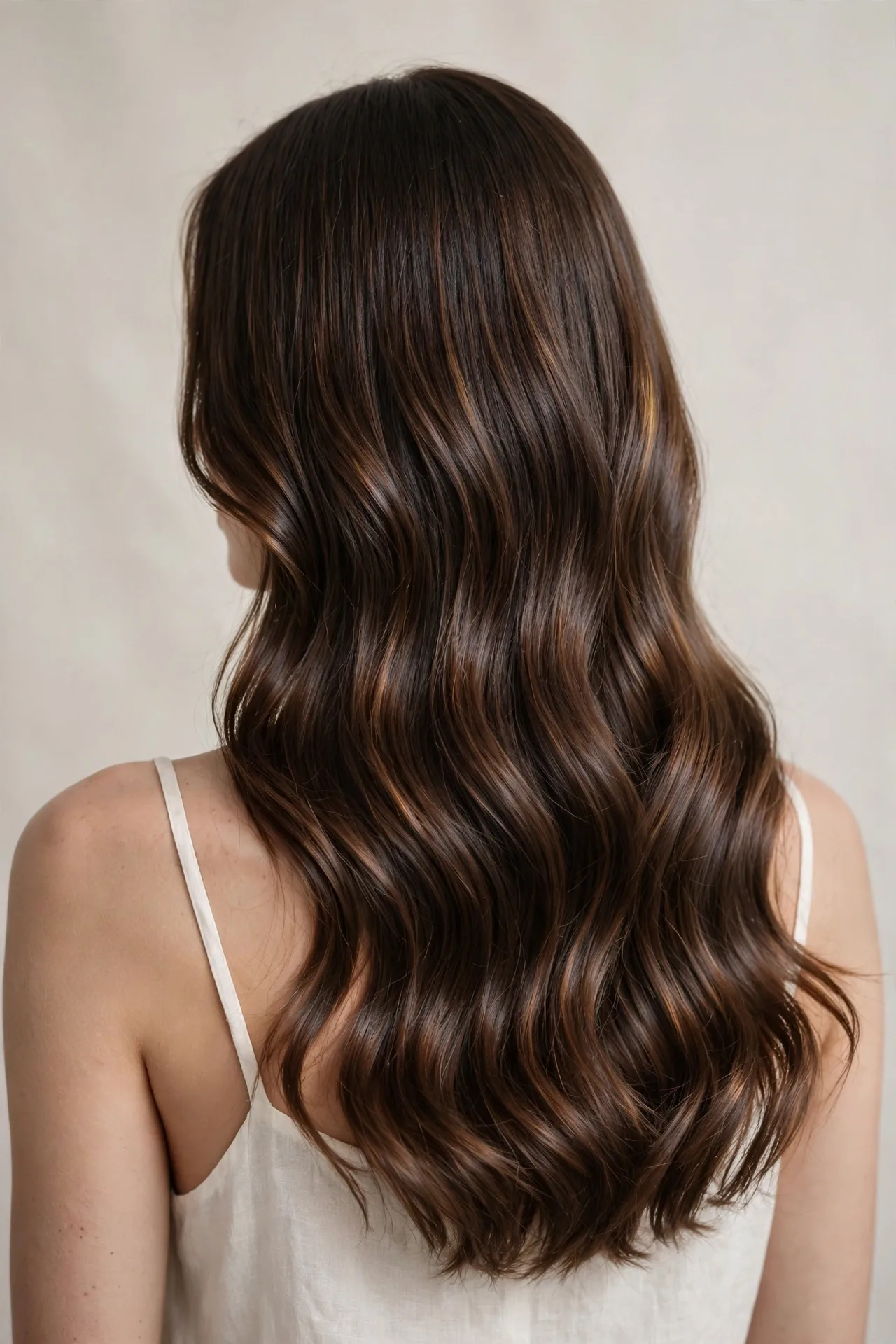
Heatless waves are your best friend. The aesthetic look is almost always soft waves, not pin-straight hair — and you can get them with zero heat. My favorites: loose braids on 80%-dry hair overnight; the robe-belt method (wrap damp sections around a soft belt or long sock, sleep on it, unwrap in the morning); or foam rollers for bouncier waves. A light mist of leave-in before wrapping keeps the waves soft instead of crunchy.
Shine tricks that actually work:
- Finish every wash with a cool rinse to flatten the cuticle.
- A pea-sized amount of glossing serum on dry hair catches the light beautifully in photos.
- A smoothing brush pass after heatless waves blends everything into one silky sheet.
- For an extra-glossy event look, a clear gloss treatment at home (the kind that processes in 10–20 minutes) adds mirror shine for a couple of weeks.
- Keep a mini hair oil in your bag — one drop smoothed over flyaways midday keeps the finish fresh.
Style it like you mean it. Soft hair still needs a little intention to look “aesthetic.” A clean middle or soft side part, face-framing pieces tucked or left loose, and ends that curve slightly under (achieve it by wrapping ends around your fingers while blow-drying, or with the robe-belt method) make the difference between just-healthy hair and the look.
Final Thoughts
If there’s one thing I want you to take from all of this, it’s that soft aesthetic hair is a habit, not a lottery win. Nobody’s hair transformed overnight — mine took about six weeks of consistent care before a friend noticed unprompted. Start with the two or three changes that feel easiest (lukewarm water, a microfiber towel, and a silk pillowcase are my top starter picks), add the weekly mask once that feels normal, and let the rest layer in naturally.
Your hair doesn’t need to be perfect to look beautiful. It just needs to be cared for — and now you know exactly how.