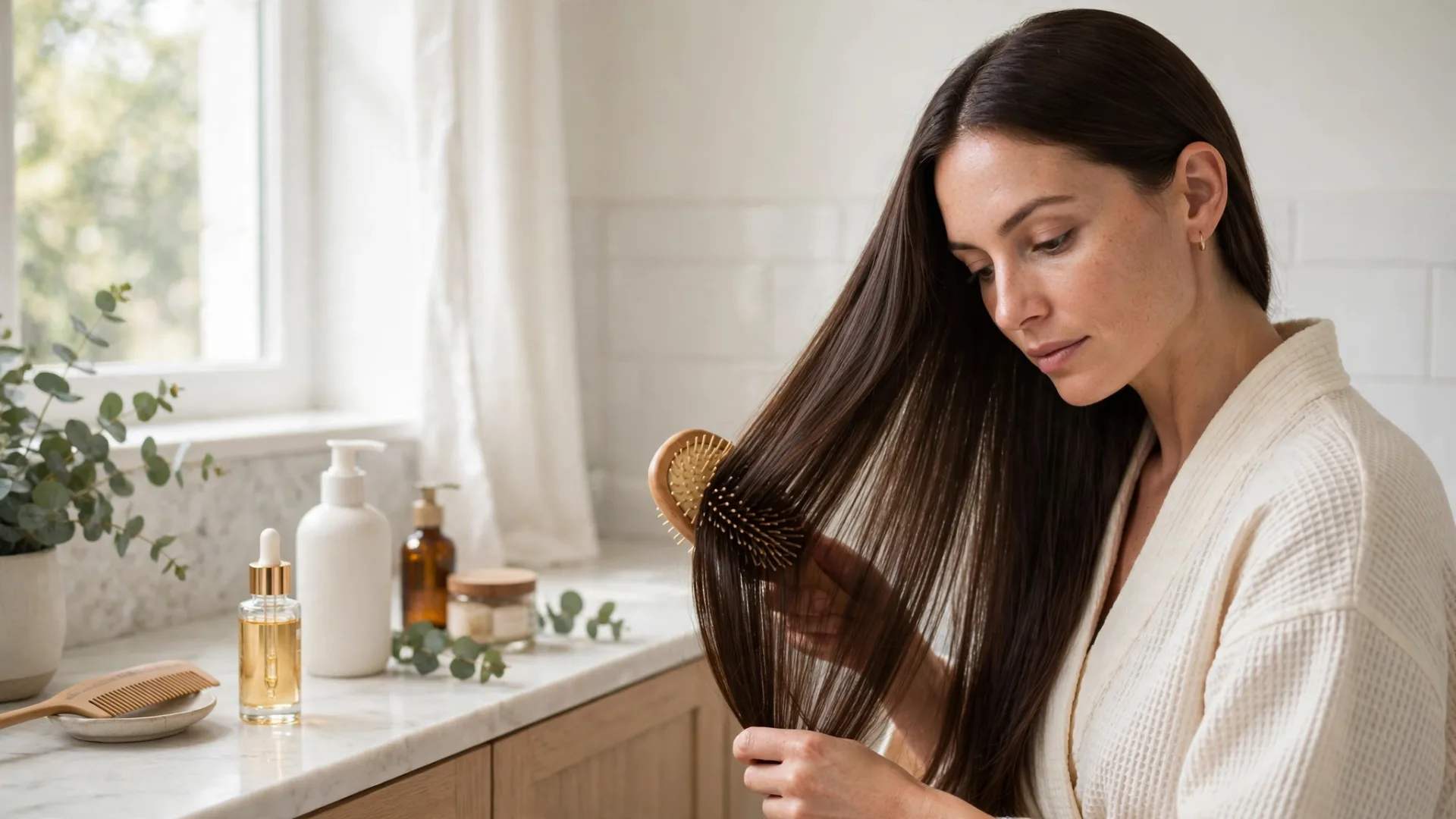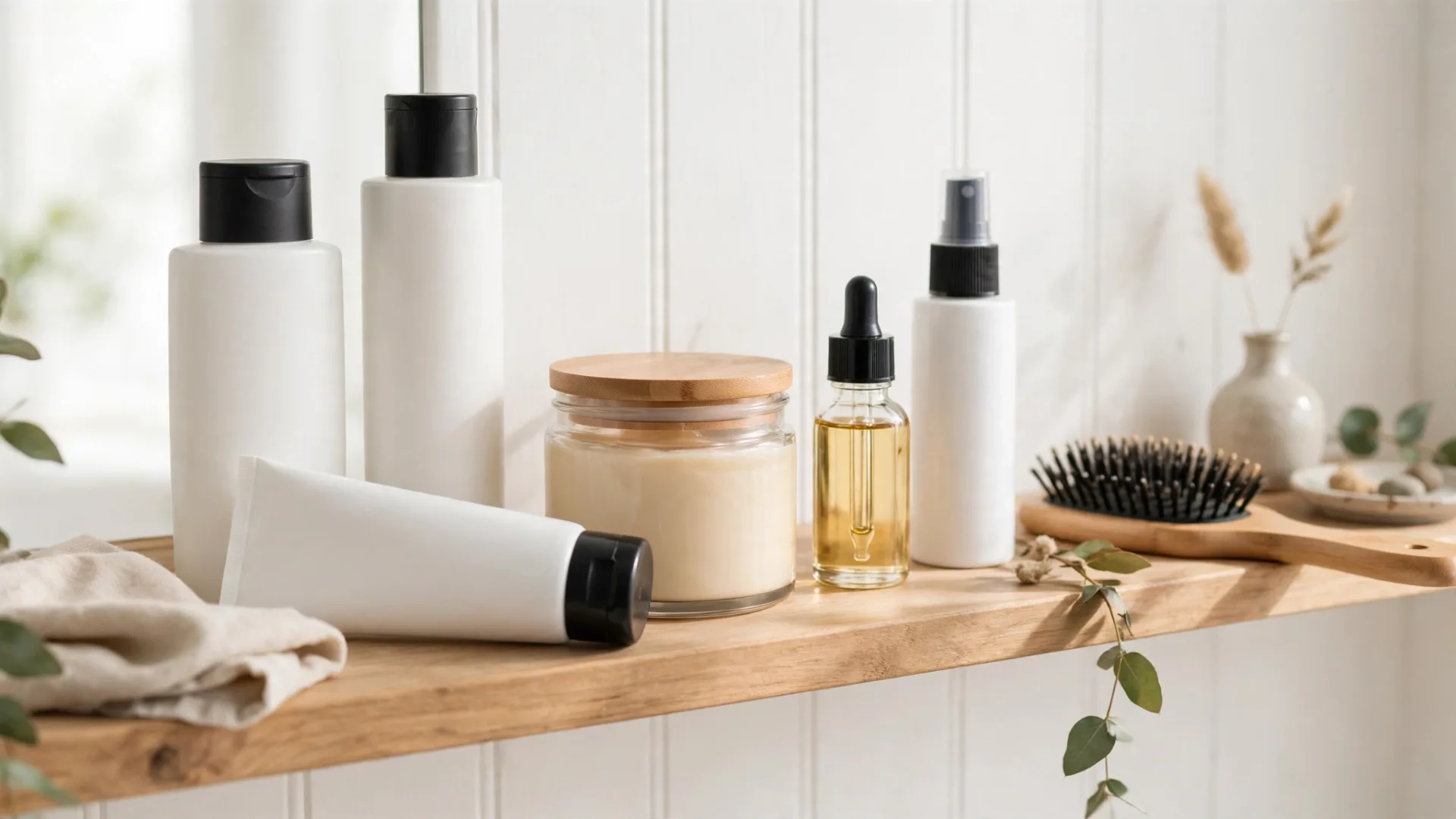

Good hair does not have to come with a luxury price tag. Walk down any beauty aisle and you will see shelves full of affordable hair care products that use the same active ingredients as the salon brands sitting a few shelves higher. The difference is usually the packaging, the fragrance, and the marketing budget — not what is actually inside the bottle.
The trick is knowing which affordable products are worth your money and which ones are just cheap for a reason. A well-chosen budget routine can leave your hair softer, shinier, and easier to manage than an expensive routine picked at random. This guide walks you through 15 affordable product types that genuinely perform like salon brands, who each one suits best, how to use it, and what to look for on the label before you buy.
Why Affordable Hair Care Can Work So Well
Most hair care formulas are built from a small set of proven ingredients: gentle cleansers, conditioning agents, plant oils, silicones, and proteins. These ingredients are widely available, so a budget brand can buy the same raw materials as a prestige brand. What you are often paying extra for at salon level is a signature scent, heavier packaging, and smaller production runs.
That does not mean every cheap product is a hidden gem. Some cut corners with harsh cleansers that strip your hair, or with so little active ingredient that the product does almost nothing. The products below earn their place because their formulas focus on the ingredients that actually change how hair looks and feels.
The 15 Affordable Products Worth Your Money
1. A Gentle Everyday Shampoo
A good everyday shampoo cleans your scalp without leaving your lengths dry and squeaky. Look for sulfate-free or low-sulfate formulas with mild cleansers, and check that the first few ingredients include water and a gentle surfactant rather than a long list of harsh detergents. This suits almost everyone, but it is especially helpful if you wash your hair often or colour it. Massage it into your scalp with your fingertips, let the lather run down the lengths as you rinse, and resist the urge to pile shampoo onto your ends — they rarely need direct washing.
2. A Hydrating Conditioner
Conditioner is where most of the softness in your routine comes from. A solid affordable conditioner uses fatty alcohols and conditioning agents to smooth the hair cuticle, which is what makes hair feel silky and easier to comb. It suits dry, wavy, and long hair best, but even fine hair benefits if you apply it from the mid-lengths down and keep it off your roots. Leave it on for two to three minutes before rinsing so the conditioning agents have time to cling to the hair shaft.
3. A Weekly Deep-Conditioning Mask
A deep-conditioning mask is simply a richer, more concentrated conditioner, and it is one of the best-value products you can own. It works for damaged, bleached, or very dry hair, and for anyone whose hair feels rough after heat styling. Apply a generous amount to damp hair once a week, focusing on the ends, and leave it on for ten to twenty minutes. Look for shea butter, coconut oil, or glycerin high on the ingredient list, and skip masks that rely mostly on fragrance and water.
4. A Lightweight Leave-In Conditioner
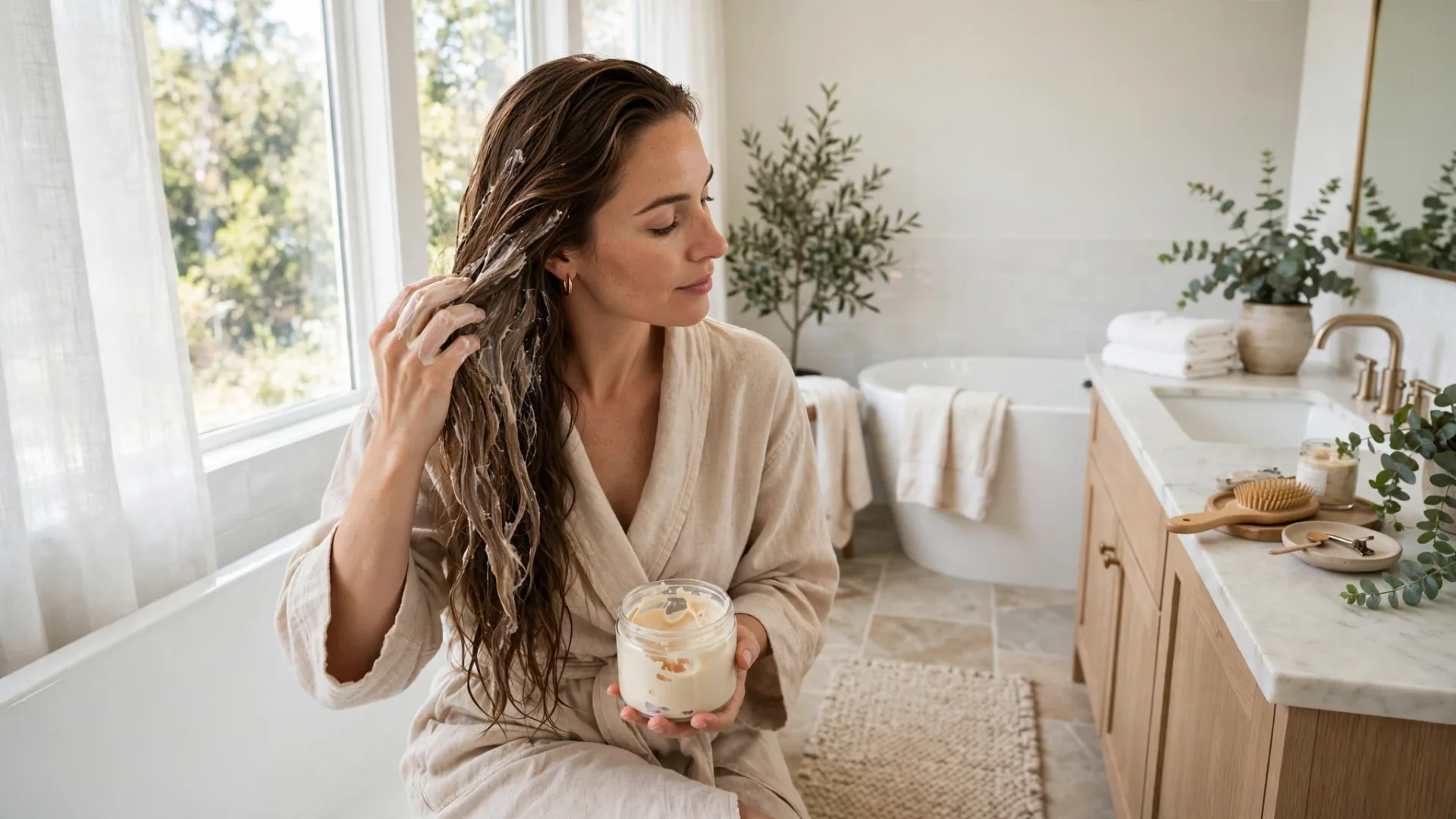
Leave-in conditioner is the unsung hero of a budget routine. It detangles, adds light moisture, and protects hair between washes without weighing it down. It suits fine and medium hair particularly well, since it gives slip and softness without the heaviness of a thick cream. Spray or smooth a small amount through damp hair before styling, and start with less than you think you need — you can always add more, but too much leaves fine hair flat.
5. A Multi-Purpose Hair Oil
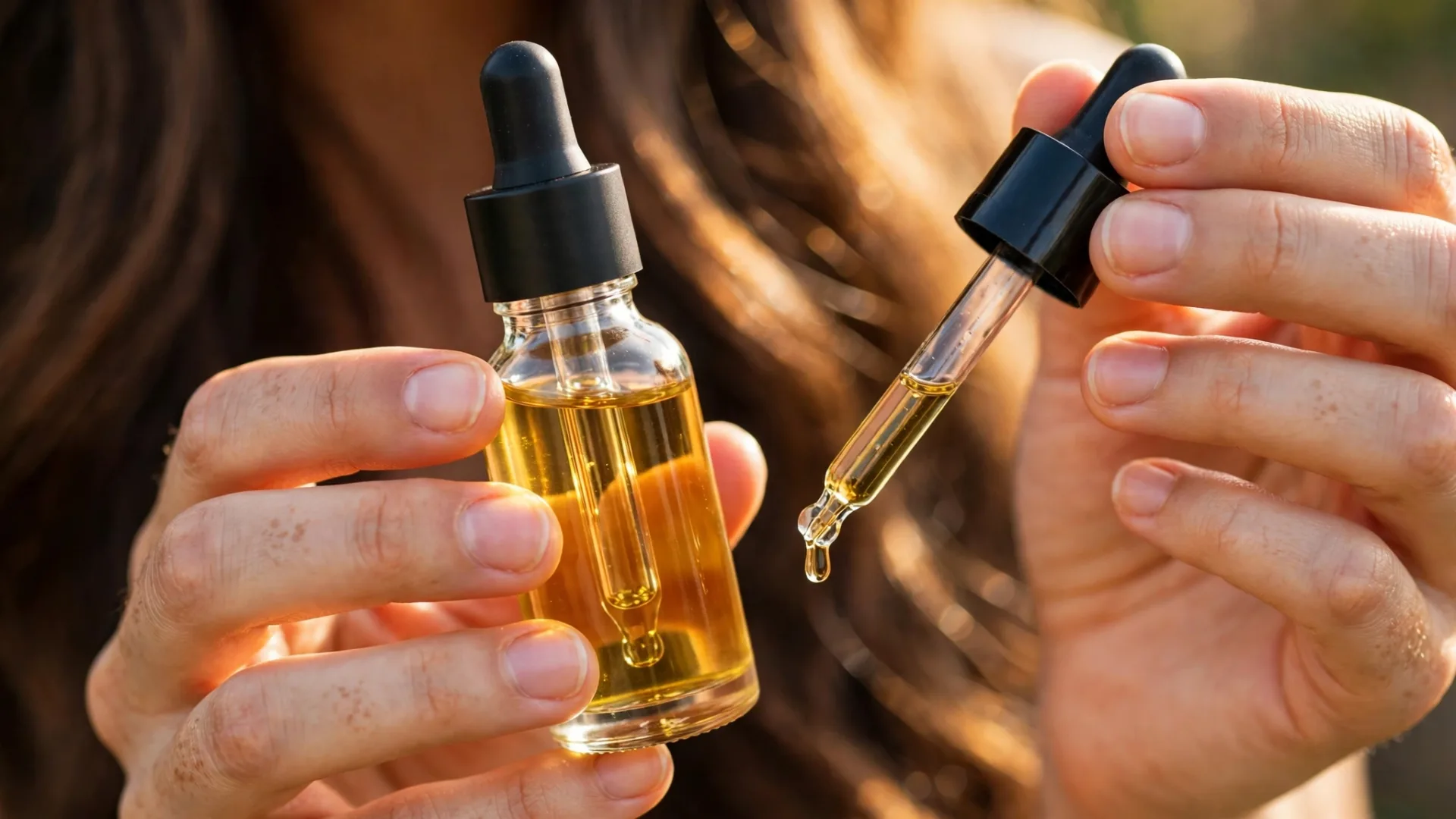
A simple hair oil, such as argan, jojoba, or sweet almond oil, can replace several pricier products at once. It seals in moisture, adds shine, and tames flyaways. It suits dry, coarse, and curly hair best, while fine hair should use just one or two drops on the ends. Warm the oil between your palms first, then smooth it over the lengths. On the label, look for a single oil or a short blend near the top of the list, and be wary of products that are mostly silicone with a drop of oil added for the name.
6. A Clarifying Shampoo
Even the best routine builds up residue from styling products, hard water, and silicones. A clarifying shampoo used once or twice a month strips that build-up away and leaves hair feeling light again. It suits anyone who uses a lot of styling products or has hard water at home. Use it in place of your normal shampoo, lather once, and always follow with conditioner, because clarifying formulas are stronger by design. If your hair is very dry or colour-treated, keep it to once a month.
7. A Scalp Treatment or Serum
Healthy hair starts at the scalp, and affordable scalp serums have improved a lot in recent years. Look for formulas with niacinamide, caffeine, or rosemary extract, which support a balanced scalp environment. This suits anyone dealing with an oily or flaky scalp, or with hair that feels thin at the roots. Apply it directly to the scalp with the dropper or nozzle, massage it in for a minute, and use it consistently for several weeks — scalp care is a slow game, and one application will not show much.
8. A Heat Protectant Spray
If you blow-dry, straighten, or curl your hair, a heat protectant is non-negotiable, and budget versions work just as well as salon ones. The key ingredients are silicones or polymers that form a thin barrier between your hair and the heat. Spray it evenly through damp hair before you pick up any hot tool, and make sure you cover the ends, which take the most damage. This suits every hair type that uses heat, and it is one of the cheapest ways to prevent split ends and breakage.
9. A Dry Shampoo
Dry shampoo absorbs oil at the roots and stretches the time between washes, which in itself protects your hair from over-washing. It suits straight and wavy hair best, and it is a lifesaver on busy mornings. Spray it onto the roots from a short distance, wait two minutes so the starch can absorb the oil, then brush or massage it through. Look for formulas that brush out cleanly without a white cast, and remember that dry shampoo is a stand-in for washing, not a replacement for it — use it for a day or two, then wash properly.
10. A Curl-Defining Cream
Curly and wavy hair needs a product that encourages the natural curl pattern instead of fighting it. A curl cream gives definition and reduces frizz without the crunch of a heavy gel. It suits waves, curls, and coils, and the trick is applying it to soaking wet hair, scrunching upward, and then leaving your hair alone while it dries. Look for glycerin, aloe, or light oils in the formula, and avoid creams loaded with drying alcohols, which undo all the moisture you just added.
11. A Frizz-Smoothing Serum
A smoothing serum is your best friend on humid days. It coats the hair shaft lightly, sealing the cuticle so moisture in the air cannot puff your hair up. It suits frizzy, wavy, and coarse hair especially well. Use a pea-sized amount on damp or dry hair, concentrating on the ends and the top layer where frizz shows most. A little goes a long way — too much serum turns shine into greasiness, so start small and add only if you need it.
12. A Protein or Bond-Building Treatment
Bleached, highlighted, or heat-damaged hair loses protein from inside the hair shaft, which leaves it stretchy and prone to snapping. Affordable bond-building and protein treatments have brought this once salon-only repair into the budget aisle. They suit damaged and chemically treated hair best. Use one every two to four weeks, following the timing on the bottle exactly — overusing protein can make hair stiff, so balance it with a hydrating mask in the same week.
13. A Styling Cream or Hair Butter
A styling cream or hair butter gives soft hold and control for everyday styles, from smooth blowouts to defined waves. It suits thick, coarse, and textured hair particularly well, since it adds weight and manageability without stiffness. Rub a small amount between your palms and work it through damp hair before styling. Look for butters like shea or mango near the top of the ingredients, and choose a lighter cream if your hair is fine, so it does not fall flat.
14. A Texturizing Spray
Texturizing spray adds grip and volume, which makes it useful for fine hair that slips out of styles and for anyone who wants that effortless, lived-in look. It suits fine and medium hair best. Spray it at the roots for lift or through the lengths for texture, then scrunch or tousle with your fingers. Unlike hairspray, it does not leave hair stiff, so it is a good everyday option. If your hair is already coarse or thick, you may find you do not need it at all.
15. An Overnight Hair Treatment
An overnight treatment works while you sleep, giving dry or damaged hair hours of conditioning instead of minutes. It suits very dry, coarse, and damaged hair best. Smooth it through the lengths before bed, braid your hair loosely or wrap it in a soft scarf, and rinse in the morning. Look for oils and butters in the formula, and use an old pillowcase the first few times until you know how much product transfers. Used once a week, it can transform hair that feels constantly parched.

How to Read a Label Like a Pro
You do not need a chemistry degree to shop smart — just a few habits. First, check the first five ingredients, because they make up most of the product. Second, match the formula to your hair type rather than to the marketing on the front: “repair” products help damaged hair, “volume” products help fine hair, and “moisture” products help dry hair. Third, be suspicious of long fragrance lists and of products that promise miracles in one use. Real hair improvement takes a few weeks of steady use.
It also helps to patch-test a new product on a small section of hair first, especially if your scalp is sensitive. And keep notes on what works: once you find an affordable product your hair loves, stick with it instead of chasing every new launch.
Building a Budget Routine That Actually Works
You do not need all 15 products at once. A strong starting routine has just four: a gentle shampoo, a hydrating conditioner, a heat protectant if you use hot tools, and one treatment matched to your main concern — a mask for dryness, a curl cream for curls, or a scalp serum for scalp issues. Add other products one at a time, so you can tell what is actually making a difference.
Rotate in a clarifying shampoo once a month, and swap your regular conditioner for a deep mask once a week. That small structure covers nearly every hair need without a shelf full of bottles, and it keeps your spending low while your hair gets exactly what it needs.
Common Mistakes to Avoid
The most common mistake is using too much product. Affordable products are concentrated enough that a small amount does the job, and excess just builds up and weighs hair down. Another mistake is switching products every week — hair needs time to respond, so give a new product at least three weeks before judging it. Finally, do not skip conditioner because your hair is fine or oily. Conditioner is for the lengths, not the scalp, and even oily hair needs moisture at the ends.
Final Thoughts
Salon-quality hair is not about the price on the bottle. It is about choosing the right type of product for your hair, using the right amount, and using it consistently. The 15 affordable products in this guide cover every step of a complete routine, from washing and conditioning to styling and repair. Start with the basics, add treatments for your specific needs, and let your hair — not the marketing — tell you what is working.