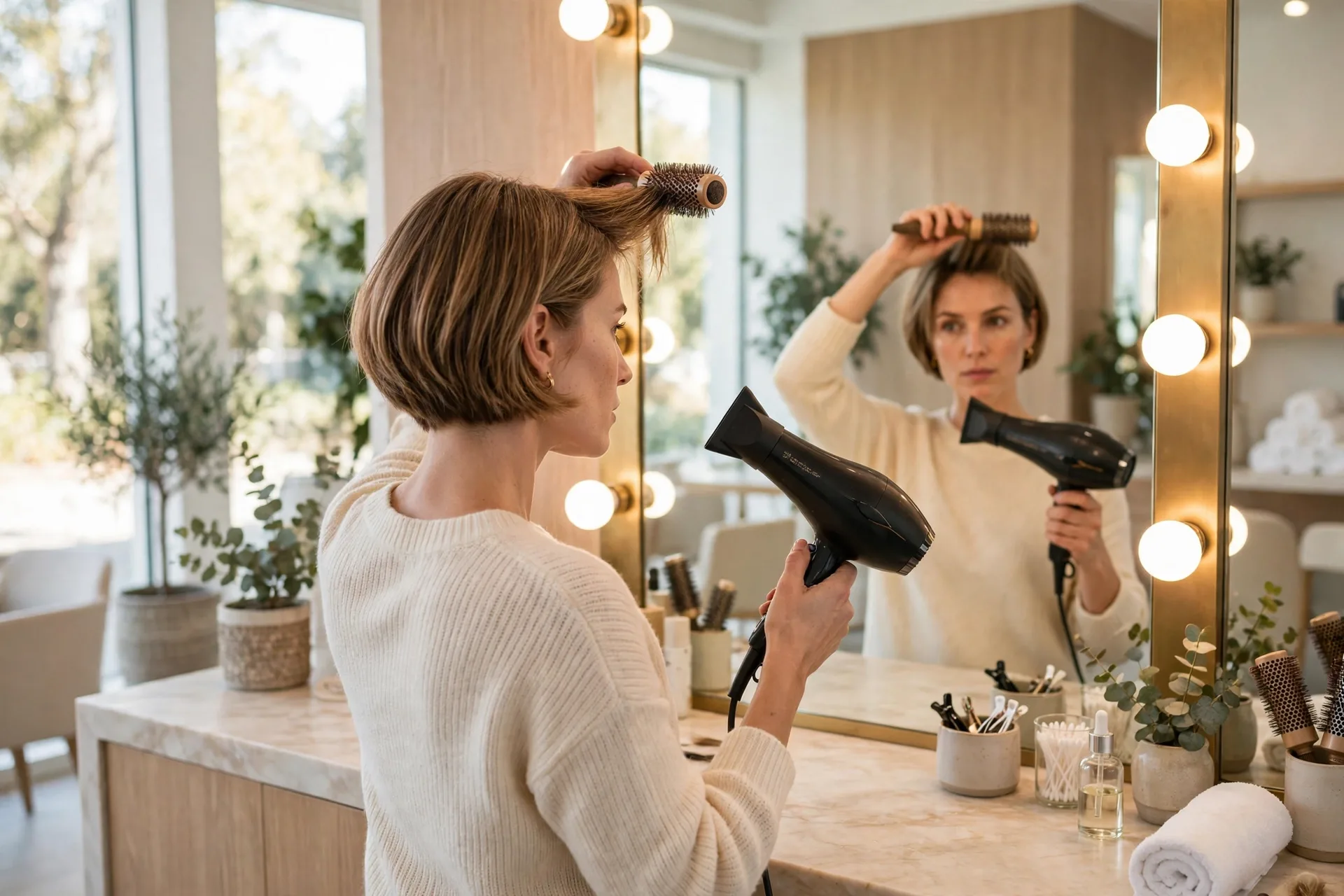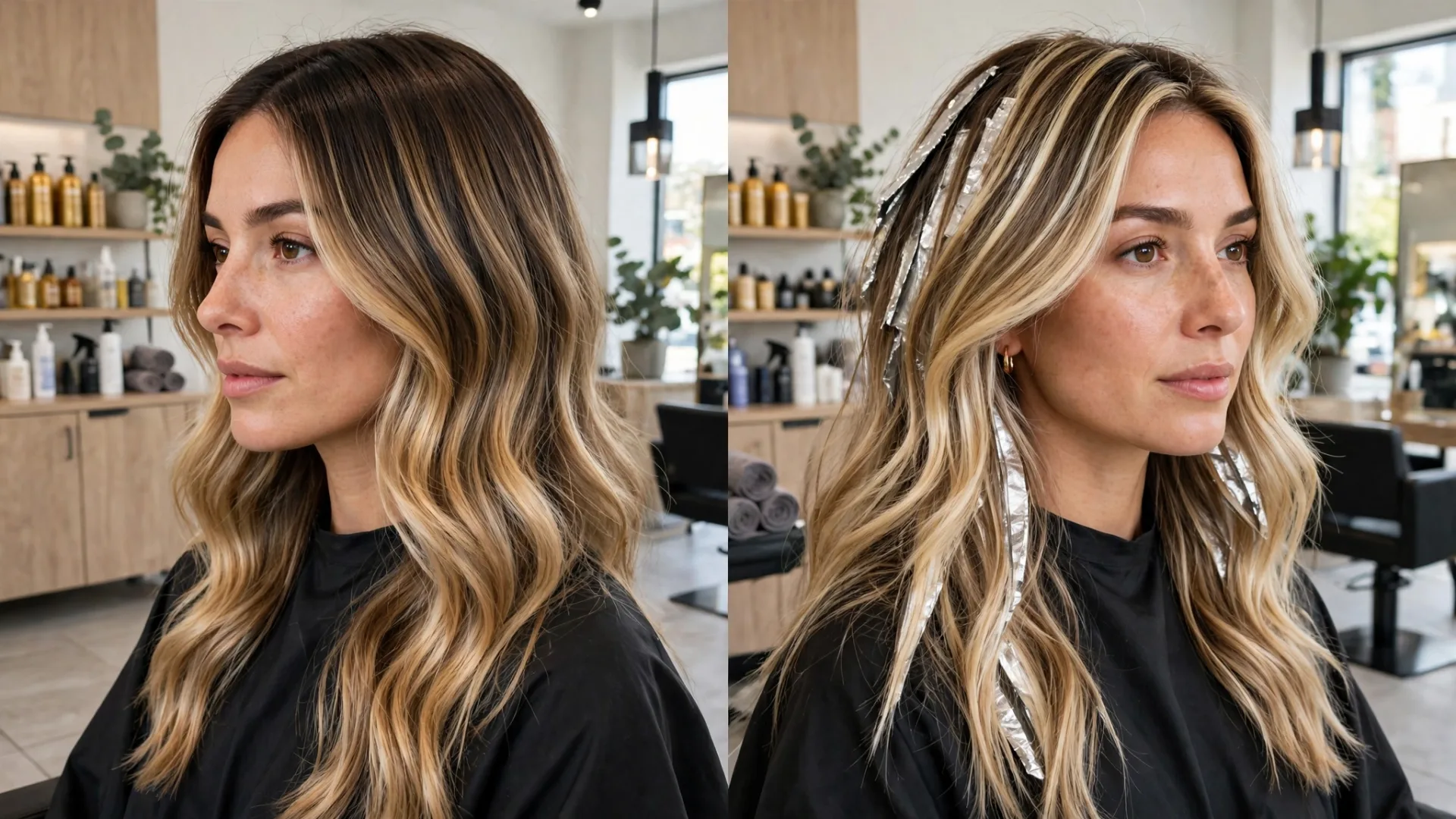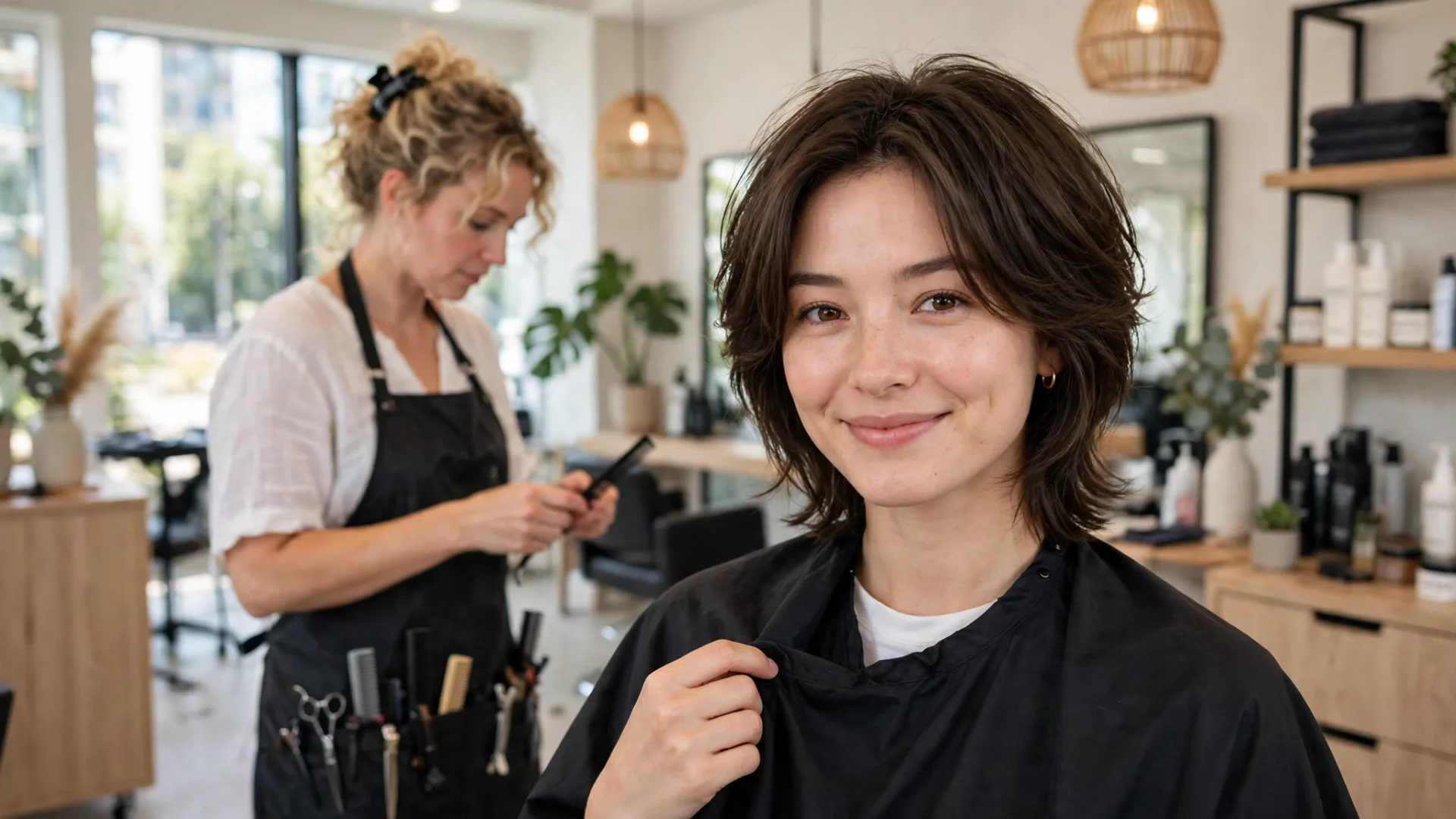

A good haircut does more than change how your hair looks. It changes how your face looks, how long your morning routine takes, and how confident you feel when you walk out of the salon. The trick is not chasing the trendiest cut on your feed. It is finding the version of that cut that suits your face shape, your hair texture, and the amount of effort you are honestly willing to put in each day.
This guide brings together 25 haircut ideas for women, organised by face shape and length, so you can walk into your next appointment with a clear picture and the right words to ask for it. Every idea below includes notes on who it flatters most, how to ask your stylist for it, and what the upkeep really looks like.
First, Find Your Face Shape
Before you pick a cut, work out your face shape. Stand in front of a mirror with your hair pulled back and look at three things: the width of your forehead compared with your jaw, the length of your face compared with its width, and whether your chin is pointed, rounded, or square.
Oval faces are longer than they are wide, with a gently rounded jaw. Most cuts work well here, so the choice comes down to texture and lifestyle. Round faces are close to equal in length and width, with full cheeks and a soft jawline. Length, height at the crown, and side-swept shapes tend to flatter them best. Square faces have a strong jaw and a forehead of similar width. Soft layers and movement around the jaw help to ease the angles. Heart-shaped faces are wider at the forehead and narrow to a pointed chin. Cuts that add width around the jaw and keep volume away from the crown usually balance the shape. Long faces are noticeably longer than wide. Fringes, width at the sides, and cuts that break up vertical length work beautifully.
If you sit between two shapes, that is normal. Most women do. Use the shape you match most closely as a starting point, then adjust with your stylist.
Short Haircut Ideas
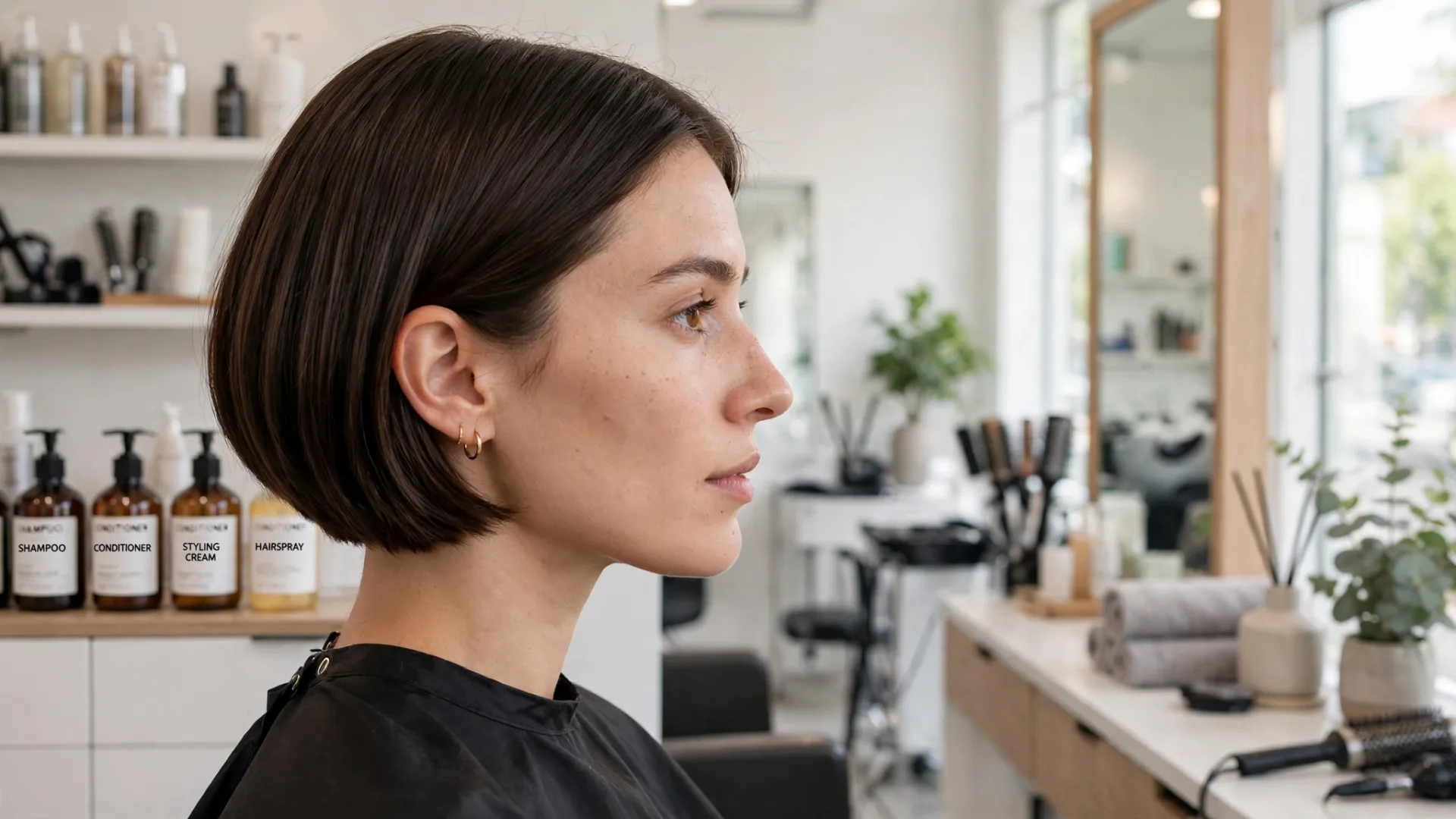
1. The Classic Pixie
Short at the back and sides with longer length on top, the classic pixie is bold, light, and wonderfully low-maintenance once the shape is right. It suits oval, heart-shaped, and square faces especially well, and it shows off cheekbones and earrings in a way no other cut can. Ask for textured length on top that you can sweep to one side, with a softly tapered nape rather than a harsh undercut, unless you want extra edge.
2. The Textured Crop
A grown-out pixie with choppy, piecey layers, the textured crop is the short cut for women who want movement without styling fuss. A little texture cream scrunched through damp hair is often all it needs. It works well on fine to medium hair and flatters round faces when the top is kept a touch longer for height.
3. The Sleek Bob
Cut to jaw length with a clean, blunt edge, the sleek bob is polished and timeless. It suits straight and slightly wavy hair best, and it is a strong choice for oval and long faces. Keep the ends sharp with a trim every six weeks, and use a smoothing serum to keep the finish glassy rather than fluffy.
4. The French Bob
Shorter than a classic bob, ending around the cheekbone or just below the ear, often paired with a soft fringe. The French bob is chic, slightly undone, and very flattering on heart-shaped and oval faces. Ask for a little internal layering so the ends flick naturally instead of sitting in a solid block.
5. The Curly Pixie
For naturally curly hair, a pixie cut with length left on top lets curls form their own shape. The key is a stylist who cuts curls dry or in their natural pattern, so the shape holds once it dries. This cut grows out gracefully, which makes the awkward in-between stage much easier.
6. The Asymmetrical Bob
One side longer than the other, the asymmetrical bob adds instant interest to a simple shape. It suits square faces well, because the diagonal line softens a strong jaw, and it gives fine hair the illusion of extra body. Wear it sleek for a sharp look or tousled for something softer.
Medium-Length Haircut Ideas
7. The Long Bob (Lob)
The lob sits between the chin and the collarbone and remains the most requested medium cut for good reason: it suits almost every face shape and works with straight, wavy, and curly textures. For round faces, ask for a lob that sits just below the chin with longer front pieces. For long faces, a lob with a fringe or face-framing layers breaks up the length nicely.
8. The Shaggy Lob
Layers, texture, and a slightly undone finish turn a plain lob into a shag. This is a brilliant choice for thick hair that needs weight removed, and for wavy hair that wants to move. Ask for razored or point-cut ends rather than blunt ones, and keep the shortest layer no higher than the cheekbone if you want to avoid too much volume at the sides.
9. Face-Framing Layers
Long layers that start around the cheekbones and fall gradually longer draw attention to your eyes and cheekbones while keeping your overall length. They suit every face shape, because the starting point of the layers can be adjusted to flatter you: higher for long faces, lower for round faces. This is also the safest first step if you are nervous about a big change.
10. The Collarbone Cut with a Side Part
A collarbone-length cut worn with a deep side part gives instant volume at the roots and a soft sweep across the forehead. It flatters square and heart-shaped faces in particular, and it is easy to style with a round brush or a quick wave through the mid-lengths.
11. The Blunt Midi Cut
One clean length at the shoulders with almost no layers, the blunt midi makes fine hair look thicker and healthier. The ends need regular trims to stay sharp, but the daily styling is simple: straighten for polish or add a bend with a flat iron for a relaxed finish.
12. The Wavy Shag
Built on layers through the crown and around the face, the wavy shag gives natural waves a shape to fall into instead of a triangle to fight against. It is a favourite for women growing out a shorter cut, because it keeps the shape interesting at every stage.
13. The Curly Shoulder-Length Cut
Shoulder-length curls with long, rounded layers keep the weight balanced so curls spring up evenly instead of sitting heavy at the ends. A good curly cut is shaped dry, curl by curl, and it should never be thinned out aggressively, which only creates frizz.
Long Haircut Ideas

14. Long Layers with Curtain Bangs
Curtain bangs that part in the middle and sweep to each side pair beautifully with long layers. They soften a wide forehead, flatter heart-shaped and oval faces, and grow out far more gracefully than a straight fringe. Ask for bangs that start at the cheekbone so they blend into the layers.
15. The V-Cut
Cut into a gentle V at the back, this shape keeps the length while removing bulk and adding movement. It suits thick, long hair especially well and looks lovely worn straight or in a low ponytail, where the V shape shows clearly.
16. The U-Cut
Softer than the V-cut, the U-cut rounds off the ends so long hair falls in a smooth curve. It is a kind choice for fine hair, because it keeps the ends looking full rather than wispy, and it works well on long faces where a V shape might add extra length.
17. Long Feathered Layers
Feathered layers through the front and ends give long hair lightness and swing without sacrificing length. This is a lovely option for women who want a change but are not ready to lose inches: the shape changes, the length stays.
18. The Butterfly Cut
Short, face-framing layers on top that mimic a shorter cut when worn down, with long layers underneath, the butterfly cut gives the volume of a short cut with the security of long hair. It suits oval and long faces and works best on medium to thick hair that can hold the layered shape.
Ideas by Face Shape
19. For Round Faces: Long Layers with Height
If your face is round, look for cuts that add length and height rather than width. Long layers, a side part, and a lob that falls below the chin all help. Avoid blunt, chin-length bobs with a centre part, which tend to widen the face, and ask for layers that start below the chin.
20. For Square Faces: Soft Waves and Side-Swept Fringes
Square faces look wonderful with softness around the jaw: side-swept fringes, wavy layers, and cuts that curve rather than end in a hard line. A textured lob or long layers with a bend through the ends will ease the angles without hiding your bone structure.
21. For Heart-Shaped Faces: Chin-Length Fullness
Balance a wider forehead and narrower chin with fullness around the jawline. A chin-length bob, a lob with flipped ends, or long layers that start at the chin all add width exactly where it helps. Keep volume at the crown modest so the top does not overpower the lower face.
22. For Long Faces: Fringes and Side Volume
A fringe is the simplest way to shorten the look of a long face, whether it is a full fringe, a curtain fringe, or a soft side fringe. Pair it with width at the sides — waves, a bob, or layered volume — and avoid very long, flat, one-length hair with a centre part, which adds vertical length.
23. For Oval Faces: Almost Anything, Chosen by Texture
Oval faces can carry most cuts, so let your hair texture and routine decide. Fine hair loves blunt shapes that fake thickness. Thick hair loves layers that remove weight. Curly hair loves shapes cut for the curl pattern. Use this freedom to choose the cut you will actually enjoy styling.
Fringe Ideas Worth Considering
24. The Wispy Fringe
Light, feathered, and easy to grow out, a wispy fringe suits women who want to try a fringe without committing to a heavy one. It softens the forehead, works with most lengths, and can be swept aside on days you do not feel like wearing it.
25. The Side-Swept Fringe
Longer than a full fringe and angled across the forehead, the side-swept fringe flatters nearly every face shape and blends into layers as it grows. It is also the most forgiving fringe if your hair has a strong natural part or cowlick, because it works with the growth direction rather than against it.
What to Ask for at the Salon
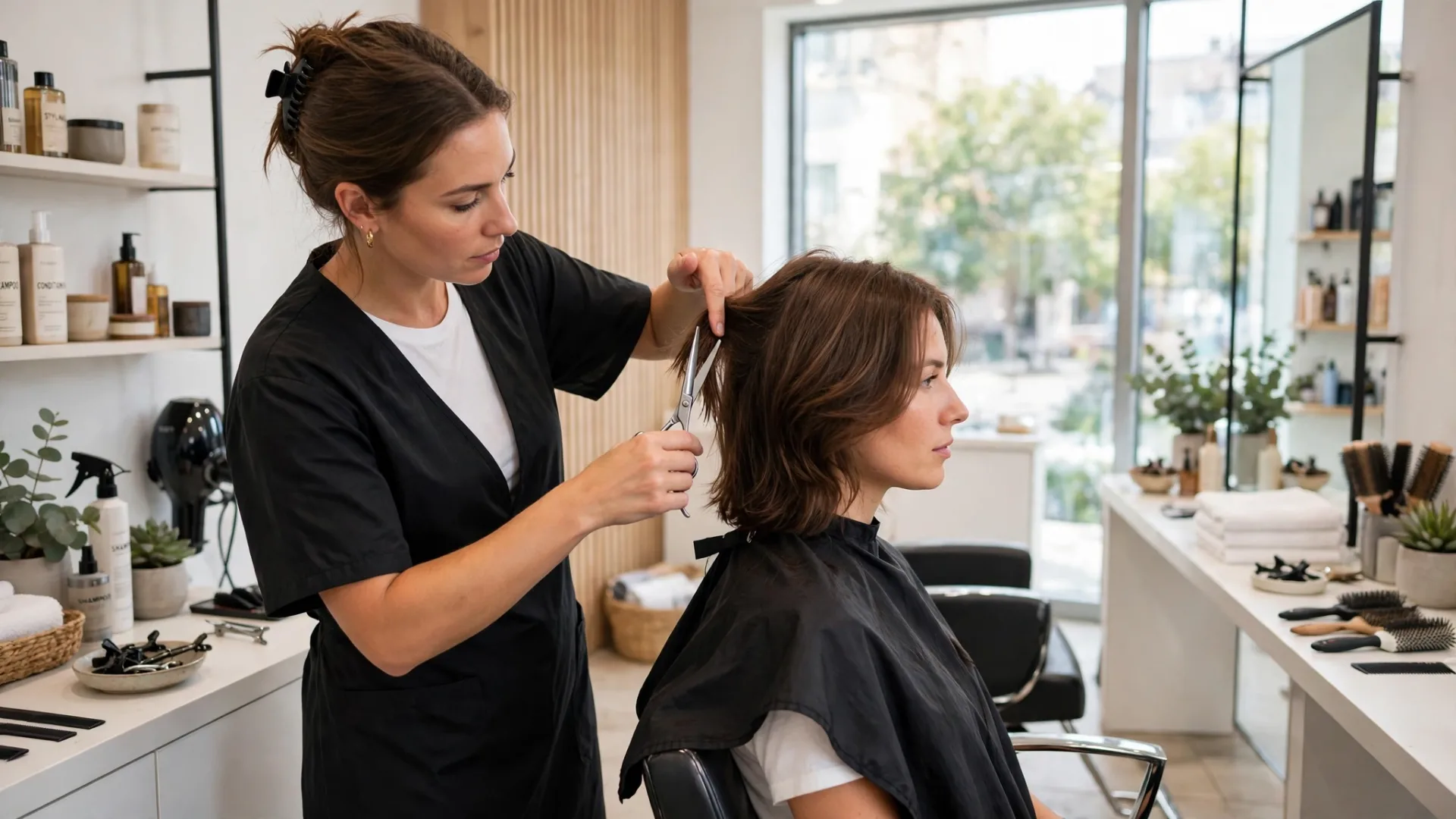
The difference between a cut you love and one you tolerate is often the consultation, not the scissors. Bring two or three photos of the cut you want, and just as helpfully, one photo of what you do not want. Photos taken from the front, side, and back give your stylist the full picture. Be honest about your routine: how often you wash your hair, whether you use heat tools, and how much time you spend styling on a normal morning. A cut that needs twenty minutes of blow-drying is a poor choice if you have five.
Ask your stylist to show you how to style the cut before you leave the chair, and to name the products they used. A good stylist will also tell you how the cut will grow out, and when you should come back. Write down the exact wording they use for your cut — “textured lob, longer at the front, soft layers from the cheekbone” — so you can repeat it at your next visit, even if you see someone different.
Talk about your hair texture openly. Fine hair needs blunt ends to look full. Thick hair needs layers or thinning to sit well. Curly hair needs a cut that respects the curl pattern, ideally shaped dry. Wavy hair often needs layers that encourage the wave rather than weighing it down. If your stylist suggests a cut that fights your natural texture every day, ask what the lower-maintenance alternative would be.
Grow-Out and Maintenance: The Honest Guide
Every cut has a grow-out phase, and planning for it saves you from the awkward months that make many women give up on short styles. Pixies grow into crops, then into bobs, and a quick trim every four to six weeks during that journey keeps the shape tidy. Bobs grow into lobs with very little effort — arguably the easiest grow-out of all. Fringes need trimming every three to four weeks, or they will spend a fortnight in your eyes before you book in.
As a rough guide, plan a trim every six to eight weeks for most cuts, and every four to six weeks for short, sharp shapes like pixies and blunt bobs. Long layered cuts can often stretch to ten or twelve weeks if the ends are healthy. Between visits, protect your ends: use a heat protectant before styling, avoid brushing wet hair roughly, and sleep on a silk or satin pillowcase if your hair tangles easily.
Maintenance also means colour honesty. A cut with a fringe or short layers will show regrowth and faded colour sooner than long hair does, simply because the shape is closer to the roots. If you colour your hair, book colour and cut appointments together where possible so the shape and shade stay in step.
Choosing Your Cut: A Quick Decision Guide
If you want the lowest daily effort, choose a cut that works with your natural texture: a textured crop for straight hair, a shag for waves, a shaped curly cut for curls. If you want maximum versatility, choose a lob or long layers, which can be worn straight, wavy, tied up, or pinned back. If you want a bold change, a pixie or French bob delivers it, but book your follow-up trim before you leave the salon so the shape stays intentional.
Above all, choose the cut that fits the life you actually live, not the life in the photo. The best haircut is the one you still love on a rushed Tuesday morning, with no stylist in sight and five minutes on the clock. Take this list to your appointment, point to the ideas that caught your eye, and let your stylist adapt them to your face, your texture, and your routine. That is how a good cut becomes a great one.