

Ingrown hairs are the one annoying side effect that can spoil an otherwise perfect wax. The good news is that most of them are preventable, and the fix is not a fancy product or an expensive treatment — it is a simple routine done in the right order, at the right time.
This guide walks you through that routine step by step: what to do before you wax, how to care for your skin in the first 48 hours, and the weekly exfoliation schedule that keeps new hairs growing out instead of curling back in.
Quick Answer Box
- Exfoliate 24 to 48 hours before waxing and again starting 2 to 3 days after waxing, 2 to 3 times a week, to free hairs before they get trapped under the skin.
- Keep the waxed area calm for the first 24 to 48 hours: no hot baths, no gym, no tight clothing, and no scented lotions or perfumes on freshly waxed skin.
- Moisturize daily with a light, fragrance-free lotion and use a gentle exfoliating product with salicylic acid or glycolic acid twice a week to keep pores clear.
What Causes Ingrown Hairs After Waxing?
An ingrown hair happens when a new hair curls back and grows into the skin instead of pushing up through the surface. Waxing removes the hair from the root, so the new hair that grows back is finer and softer at the tip. That soft tip can struggle to break through the top layer of skin, especially when dead skin cells pile up over the pore.
Three things make ingrown hairs more likely. First, dry skin. When skin is dry and flaky, the surface layer thickens, and a soft new hair cannot push through it. Second, friction. Tight jeans, leggings, or underwear press against freshly waxed skin and push growing hairs sideways, back into the skin. Third, curly or coarse hair. Hair that naturally curls is more likely to bend back toward the skin as it grows, which is why the bikini line and underarms are the most common trouble spots.
Understanding this helps because every step in the routine below targets one of those three causes. Exfoliation clears the dead skin that blocks the hair. Moisturizing keeps the surface soft and flexible. Loose clothing removes the friction that bends hairs back. None of these steps is hard on its own, and together they cut ingrown hairs down to almost nothing for most people.
The 3-Part Prevention Routine at a Glance
Preventing ingrown hairs is not about one magic product. It is a short routine with three parts: preparation before waxing, gentle care in the first two days after waxing, and a steady weekly exfoliation habit. Each part takes only a few minutes, and each one matters.
Here is the routine in brief, with the detail in the sections that follow. Before waxing: let hair grow to about a quarter of an inch, exfoliate gently 24 to 48 hours beforehand, and arrive with clean, dry skin. Right after waxing: soothe the skin, skip heat and sweat for a day or two, and wear something loose. From day three onward: exfoliate two to three times a week, moisturize every day, and keep an eye out for the first sign of a trapped hair so you can free it early.
If you only remember one thing from this article, make it this: the most important step happens two to three days after waxing, when you start exfoliating again. Most people skip it because their skin still feels smooth, but that is exactly when new hairs are starting to grow back under the surface — and a light exfoliation at that moment is what keeps them on track.
Part 1: Before You Wax
Good waxing results start a few days before the appointment. Skin that is prepared properly waxes more cleanly, hurts less, and grows back with far fewer ingrown hairs. Work through these five steps before every session.
Step 1: Let the hair grow to the right length
Hair needs to be about a quarter of an inch long — roughly the length of a grain of rice — for wax to grip it properly. If the hair is shorter, the wax cannot hold it, and the hair snaps off at the surface instead of coming out from the root. Broken hairs are one of the biggest causes of ingrown hairs, because a snapped hair is short, sharp, and likely to curl back into the skin.
If you have been shaving between waxes, stop at least two to three weeks before your appointment so the hair can reach the right length. It feels awkward to wait, but it is worth it. One clean wax with the right hair length prevents more ingrown hairs than any aftercare product can fix.
Step 2: Exfoliate gently 24 to 48 hours before
A day or two before waxing, exfoliate the area lightly. Use a gentle body scrub or a dry brush, and work in small circles with light pressure. The goal is to lift away the top layer of dead skin so the wax can grip the hair cleanly and the new hairs have a clear path out later.
Do not exfoliate on the day of your wax. Freshly exfoliated skin is more sensitive, and waxing over it can leave the skin raw and irritated. The sweet spot is 24 to 48 hours before — close enough that the skin is still smooth, far enough away that it has calmed down.
Step 3: Take a warm shower first
On waxing day, take a warm shower about an hour before your appointment. Warm water softens the skin and opens the pores slightly, which helps the wax grip and the hair release more easily. Pat the skin dry afterward and do not apply any lotion, oil, or deodorant to the area you are about to wax.
Products left on the skin create a barrier between the wax and the hair, which leads to patchy results and more broken hairs. Clean, dry skin is what your waxing therapist wants to work with, and it is also what gives you the smoothest finish.
Step 4: Skip caffeine and painkillers that thin the blood
This one surprises people, but it helps. Caffeine can make skin more sensitive on the day of a wax, so many therapists suggest skipping your morning coffee before an appointment. The same goes for ibuprofen and other blood-thinning painkillers taken just before waxing, which can make the skin bruise more easily. If you need pain relief, take it after the appointment rather than before, and check with your doctor first if you take any medication regularly.
Step 5: Tell your therapist about your skin
If you use retinol, strong acne treatments, or prescription skin products, mention it before the wax starts. These products can make skin thinner and more sensitive, and waxing over them can cause lifting or tearing. A good therapist will adjust the wax type or suggest waiting. This small conversation takes thirty seconds and can save you a week of sore, irritated skin.

Part 2: During and Right After Waxing
The first 48 hours after waxing are when your skin is most open and most at risk. The pores are empty, the surface is slightly raw, and bacteria and friction can cause trouble fast. Treat the area gently during this window and most problems never start.
What your therapist should do
Clean technique matters as much as aftercare. A good waxing therapist uses a fresh applicator for every dip into the wax pot, never double-dips, and pulls the strip quickly in the opposite direction of hair growth while holding the skin taut. If you wax at home, follow the same rules: work on clean skin, apply the wax in the direction of growth, remove it against the direction of growth, and press your hand firmly on the skin right after each strip to calm the sting.
At home, work in small sections and do not go over the same patch of skin more than twice. Repeated passes over one spot irritate the skin and raise the risk of bruising and ingrown hairs. If a few hairs are left behind after two passes, tidy them up with tweezers instead of re-waxing the same area.
The first 24 hours: keep it cool, dry, and calm
For the first day after waxing, treat the area like a mild sunburn. Wear loose, breathable clothing — cotton underwear and relaxed trousers instead of tight jeans or leggings. Skip the gym, the sauna, the steam room, and hot baths for at least 24 hours. Sweat and heat push bacteria into open pores and cause the red bumps that often turn into ingrown hairs.
Showering is fine, but keep the water lukewarm and skip scented shower gels and soaps on the waxed area for a day. A plain, fragrance-free body wash is the safest choice. Pat the skin dry with a clean towel instead of rubbing, and do not apply perfumed lotion, deodorant, or self-tanner to the area for at least 24 hours.
Soothing the skin in the first two days
A little redness and tenderness after waxing is normal, especially on the bikini line and underarms. A cool compress — a clean cloth run under cold water and held on the skin for five minutes — calms redness quickly. Pure aloe vera gel, kept in the fridge, is one of the best after-wax soothers you can buy: it cools, hydrates, and does not clog pores.
Look for a plain aloe vera gel with no added fragrance or alcohol. Apply a thin layer twice a day for the first two days. If the skin feels itchy, resist the urge to scratch. Scratching breaks the surface and pushes bacteria in, which is how small bumps turn into infected ingrown hairs. A cool compress or a dab of aloe works better than nails every time.
Part 3: The Exfoliation Schedule That Keeps Hairs Free
This is the part of the routine that does the heavy lifting, and it is also the part most people skip. Exfoliation after waxing is not about scrubbing hard — it is about keeping the surface layer of skin thin and clear so new hairs can break through easily. The schedule below is simple, and once it becomes a habit it takes less than five minutes a week.
When to start exfoliating after waxing
Wait two to three days after waxing before you exfoliate. The skin needs those first days to close up and calm down. Starting too early can irritate raw skin and cause more bumps, not fewer. By day three, the redness has usually settled, and that is your starting point.
From then on, exfoliate two to three times a week until your next wax. If your skin is sensitive, start with twice a week and see how it reacts. If you notice dry patches or redness that lasts more than a day, drop back to once a week and use a gentler product. The right frequency is the one your skin tolerates without complaint.
What to use: chemical exfoliants vs. physical scrubs
There are two kinds of exfoliation, and both work for preventing ingrown hairs — the best choice depends on your skin.
Chemical exfoliants use mild acids to dissolve the bonds between dead skin cells. A body lotion or toner with 2% salicylic acid is a strong pick for ingrown-prone areas, because salicylic acid also gets inside the pore and keeps it clear. Glycolic acid, usually at 5 to 10% in body products, works on the surface and helps smooth rough skin. Apply a chemical exfoliant to clean, dry skin two to three times a week, and always follow it with moisturizer. If you use one on the bikini line, pick a product made for sensitive skin and stop if you feel burning that lasts more than a minute or two.
Physical exfoliants remove dead skin by gentle friction. A soft dry brush, used on dry skin before your shower, is one of the simplest tools for this — brush in short, light strokes toward your heart, spending about 30 seconds on each leg. A gentle sugar scrub works well in the shower: take about a tablespoon, massage it over the waxed area in small circles for 30 to 60 seconds, and rinse with lukewarm water. Avoid harsh scrubs with large, rough particles or crushed nut shells, which can scratch the skin and make things worse.
Many people get the best results by combining the two: a dry brush or gentle scrub twice a week, plus a salicylic acid lotion on the other days. You do not need both every day, and you should never use a strong scrub and a strong acid on the same day. Space them out, and let your skin tell you if you are doing too much.
A sample weekly schedule
Here is what a typical week looks like between waxes. On Monday and Thursday, dry brush for two minutes before your shower, then moisturize. On Wednesday, apply a salicylic acid lotion after your evening shower instead of your regular lotion. On the other days, just moisturize. That is the whole routine — three light exfoliation sessions and daily moisture.
In the week before your next wax, stop exfoliating two days before the appointment and switch to plain moisturizer only. This brings you back to the preparation steps in Part 1, and the cycle repeats. After two or three wax cycles on this schedule, most people notice a clear drop in ingrown hairs, and the skin stays smoother between appointments too.
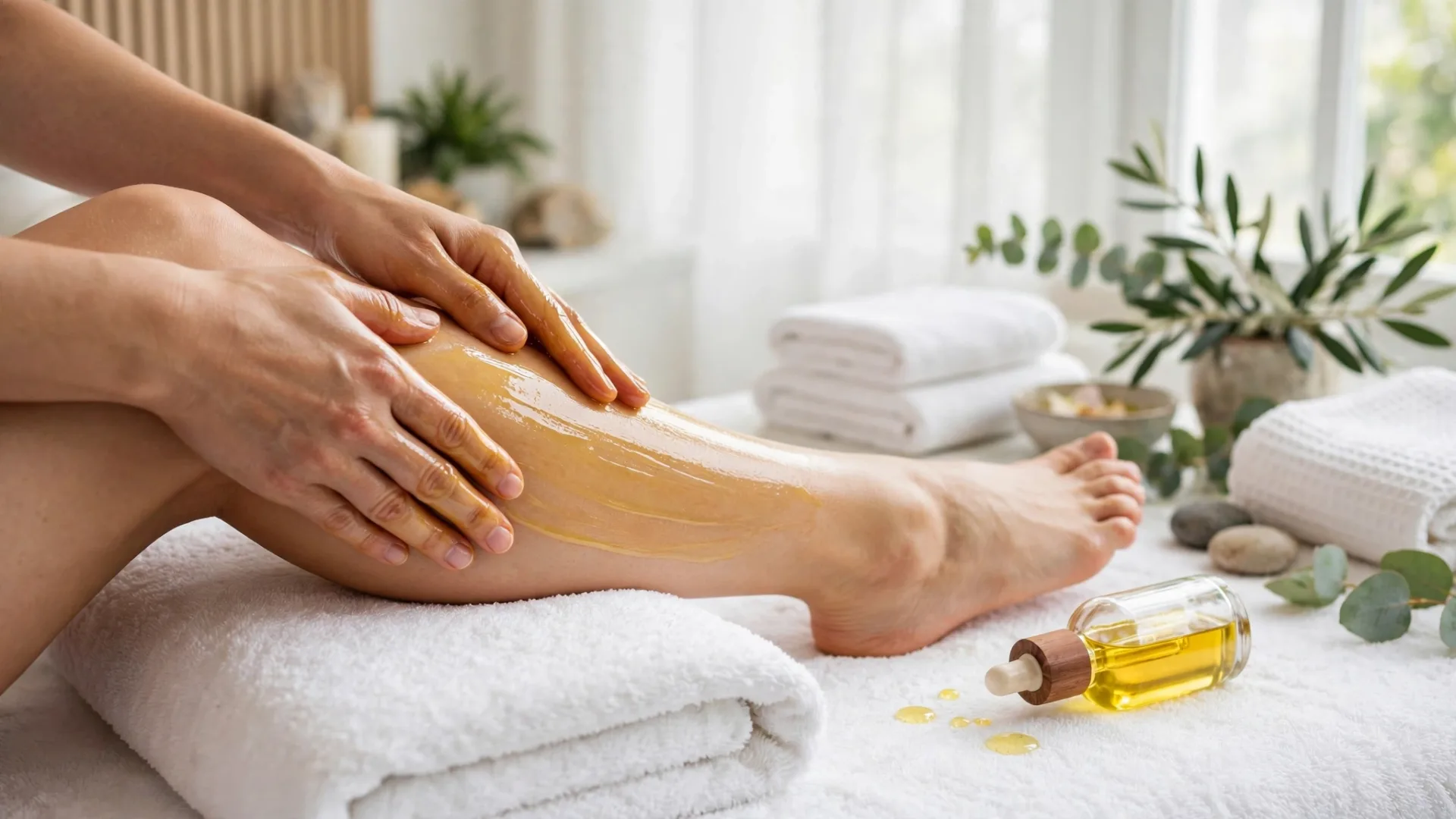
Soothing Products That Actually Help
You do not need a shelf full of products to prevent ingrown hairs. A short list of simple, gentle items covers everything. Buy these as plain recommendations below — look for the ingredient, not a brand name, and pick a version without added fragrance.
1. A plain, fragrance-free moisturizer
Daily moisture is the foundation of the whole routine. Dry skin is the top cause of trapped hairs, so a simple moisturizer applied every day after your shower does more than any special treatment. Look for a body lotion with ceramides or shea butter and no added fragrance. Use about a palm-sized amount per leg, and apply it while the skin is still slightly damp to lock the moisture in.
2. Aloe vera gel
Pure aloe vera gel is the best first-aid item for freshly waxed skin. It cools redness, adds light moisture without clogging pores, and suits almost every skin type. Keep the tube in the fridge for extra cooling. Use it for the first two days after waxing, then switch back to your regular moisturizer.
3. A salicylic acid body lotion or ingrown hair serum
For areas that keep getting ingrown hairs, a leave-on product with 2% salicylic acid is worth adding. These are sold as ingrown hair serums or exfoliating body lotions. Apply a thin layer two to three times a week, starting three days after waxing. A small bottle lasts months because you only need a few drops per area. If you have very sensitive skin, start with once a week and build up slowly.
4. Tea tree oil — diluted, never neat
Tea tree oil has natural antibacterial properties, and a drop mixed into your moisturizer can help keep small bumps from getting infected. Always dilute it: mix one drop of tea tree oil into a teaspoon of plain moisturizer or jojoba oil before applying. Never put undiluted tea tree oil on freshly waxed skin — it is strong enough to irritate raw skin on its own.
5. Witch hazel
An alcohol-free witch hazel toner, dabbed on with a cotton pad after waxing, calms redness and tightens the look of pores without drying the skin out. It is cheap, widely available, and gentle enough for the bikini line. Use it once a day for the first two days after waxing, then stop — it is a short-term soother, not a daily product.
6. A soft dry brush
A natural-bristle dry brush costs very little and lasts for years. It is the simplest physical exfoliation tool there is, and it doubles as a way to boost circulation in the legs. Replace the brush every six to twelve months, or sooner if the bristles start to bend or feel rough. Wash it with warm water and mild soap once a week and let it dry bristle-side down.
What to Avoid After Waxing
Sometimes prevention is less about what you do and more about what you skip. These are the habits that cause the most ingrown hairs after an otherwise good wax.
Tight clothing. Skinny jeans, tight leggings, and synthetic underwear press against freshly waxed skin and push new hairs back into the skin. For the first 48 hours after waxing, wear loose cotton clothing and let the skin breathe. If you wax your bikini line, cotton underwear is the best choice for the whole week after.
Heat and sweat. Hot baths, saunas, steam rooms, and hard workouts are off the list for 24 to 48 hours. Heat opens pores and sweat carries bacteria into them. A lukewarm shower is fine, but save the hot bath and the gym session for day three.
Scented products. Perfumed lotions, body sprays, deodorant, and self-tanner can sting freshly waxed skin and clog open pores. Wait at least 24 hours before using anything with fragrance on the waxed area. Your plain moisturizer and aloe vera are all you need in the meantime.
Swimming pools and hot tubs. Chlorinated water on freshly waxed skin can cause irritation and small red bumps. Wait 24 to 48 hours before swimming, and rinse with clean water right after you get out of the pool.
Picking and squeezing. This is the hardest rule to follow and the most important. Picking at a bump pushes bacteria deeper, breaks the skin, and can leave a dark mark that lasts for months. If a hair is trapped, use the gentle release method in the next section instead.
Shaving between waxes. Shaving between wax appointments undoes the benefit of waxing. It cuts the hair at the surface with a sharp edge, and those sharp tips are the ones that curl back in. If you cannot wait for your next wax, trim the hair with scissors instead of shaving it.

What to Do If an Ingrown Hair Appears Anyway
Even with a good routine, an occasional ingrown hair can still show up — especially in the bikini line or on very curly hair. Do not panic, and do not dig at it. Most ingrown hairs clear up on their own within a few days if you leave them alone and keep the area clean.
Here is the safe way to handle one. First, hold a warm compress on the spot for five to ten minutes, two or three times a day. The warmth softens the skin and often lets the hair free itself. Second, apply a small amount of salicylic acid product to the bump once a day — this helps dissolve the dead skin covering the hair. Third, moisturize the area as usual and wear loose clothing.
If you can clearly see the loop of the hair just under the surface, you can free it with a clean, sterilized needle or tweezers — but only the tip. Lift the hair gently out of the skin and let it sit free. Never dig into the skin, never squeeze the bump like a pimple, and stop immediately if it bleeds. If the bump is painful, swollen, warm to the touch, or filled with pus, leave it alone and see a doctor instead of trying to remove the hair yourself.
After the hair is free, keep the spot clean and moisturized. A small dab of tea tree oil diluted in moisturizer can help prevent infection. The redness should fade over a few days. If a dark mark is left behind, it usually fades over a few weeks with daily moisturizer and sunscreen on the area.
When to See a Dermatologist
Most ingrown hairs are a home-care problem, but some situations need a professional. See a dermatologist if you get large, painful bumps that keep coming back in the same spot, if a bump becomes infected and does not improve in three to four days, or if you develop scarring or dark marks that do not fade.
People with very curly or coarse hair who get ingrown hairs after every wax, no matter how careful the routine, can also benefit from a dermatologist visit. There are prescription creams and in-office treatments that reduce the problem, and a dermatologist can also talk through longer-term hair removal options if waxing keeps causing trouble for your skin type.
Frequently Asked Questions
How long after waxing should I wait before exfoliating?
Wait two to three days after waxing before you exfoliate. The skin needs that time to calm down and close up. Starting on day three, exfoliate two to three times a week with a gentle scrub, a dry brush, or a salicylic acid lotion. Exfoliating on the day of your wax or the day after can irritate raw skin and cause more bumps instead of fewer.
Can I prevent ingrown hairs on my bikini line?
Yes, and the routine is the same as for your legs, with a little extra care. The bikini line is the most common spot for ingrown hairs because the hair there is coarse and curly and the area gets a lot of friction from underwear. Exfoliate the area two to three times a week starting three days after waxing, wear loose cotton underwear for the first few days, and use a salicylic acid product made for sensitive skin. Avoid tight synthetic underwear and skip the gym for 24 to 48 hours after waxing the area.
Does moisturizing really help prevent ingrown hairs?
Yes, it is one of the most effective steps in the whole routine. Dry, flaky skin creates a thick surface layer that soft new hairs cannot push through, so they curl back in instead. A plain, fragrance-free moisturizer applied every day keeps the skin soft and flexible, which lets new hairs break through the surface easily. Moisturize daily, especially in the first week after waxing, and pair it with exfoliation two to three times a week for the best results.